
Climate Change Could Extend India’s Heat Stress Into Monsoon Season, New Study Warns
India's relief from scorching summer temperatures may become increasingly short lived as climate change intensifies heat and humidity during the monsoon season, according to a new study. Researchers warn that rising temperatures combined with high

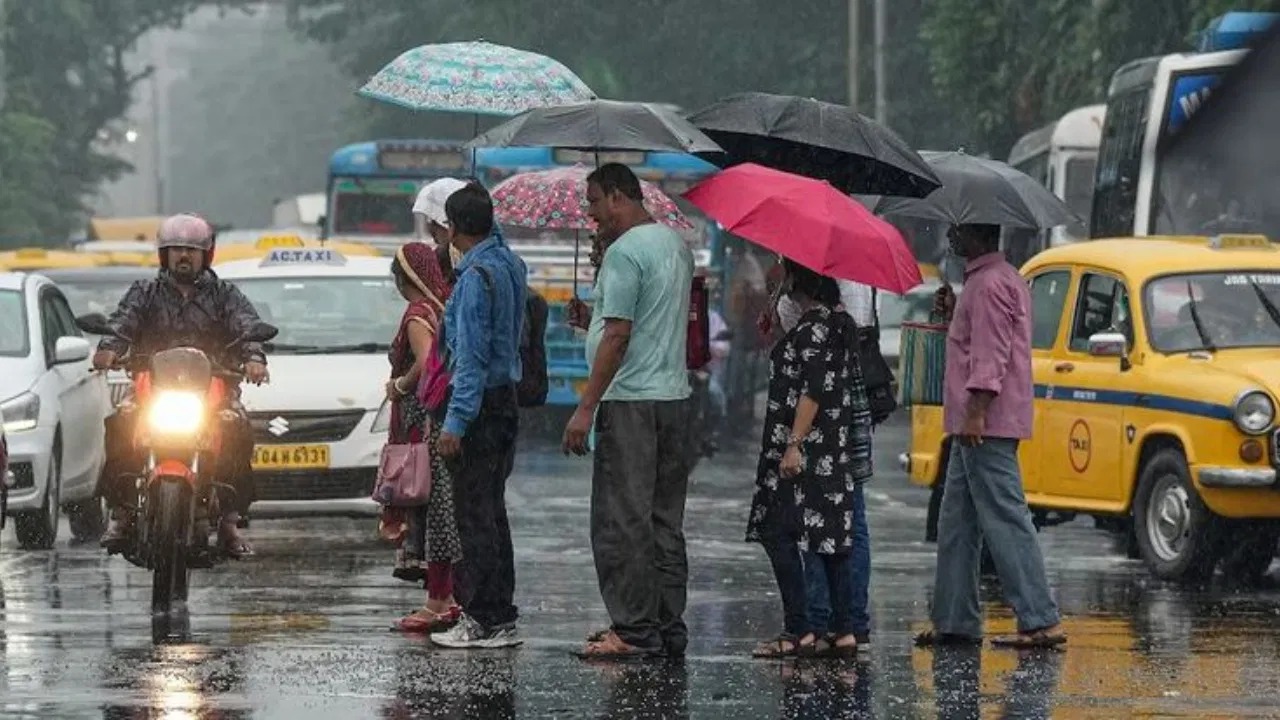
India’s relief from scorching summer temperatures may become increasingly short lived as climate change intensifies heat and humidity during the monsoon season, according to a new study. Researchers warn that rising temperatures combined with high moisture levels could significantly increase the risk of dangerous heat stress across large parts of the country.
The study highlights a projected increase in “Uncompensable Heat Stress” conditions during the monsoon months of July to October. UHS occurs when the human body can no longer effectively cool itself through sweating, even in shaded environments, potentially leading to severe health consequences such as heat exhaustion, heat stroke, organ failure, and death.
Researchers found that while heatwaves are traditionally associated with India’s pre monsoon summer period, warming temperatures may cause hazardous heat stress to persist well into the monsoon season due to elevated humidity levels. Unlike dry heat, humid conditions make it more difficult for sweat to evaporate, reducing the body’s ability to regulate internal temperature.
The findings are particularly concerning for outdoor workers, agricultural laborers, construction workers, and vulnerable populations with limited access to cooling infrastructure. Public health experts note that prolonged exposure to extreme heat can increase the risk of cardiovascular disease, kidney disorders, dehydration, respiratory complications, and productivity losses.
According to WHO, heat related illnesses are becoming a growing public health concern worldwide as global temperatures continue to rise. India has experienced several severe heatwave events in recent years, with temperatures exceeding 45°C in multiple regions.
The study adds to a growing body of evidence linking climate change to worsening health risks. Researchers emphasize that heat stress is influenced not only by temperature but also by humidity, making monsoon conditions increasingly important when assessing climate related health threats.
Experts are calling for stronger heat action plans, improved weather forecasting systems, expanded public awareness campaigns, and investments in climate resilient infrastructure to protect vulnerable communities. They also stress the need for workplace safety measures, access to hydration, and community level preparedness during periods of extreme heat.
As climate patterns continue to evolve, the research suggests that India’s traditional distinction between summer heat and monsoon relief may gradually blur, creating longer periods of potentially dangerous heat exposure. Public health specialists warn that adapting to this new reality will be critical for protecting lives and strengthening climate resilience in the years ahead.