
E. coli Contaminated Drinking Water Triggers Diarrhoea Outbreak in Karnataka’s Chikkaballapur; Illegal Supply Under Investigation
A diarrhoeal outbreak in Karnataka's Chikkaballapur district has been traced to E. coli contaminated drinking water that was being sold illegally, prompting health authorities to intensify surveillance and launch an investigation into unauthorized water distribution

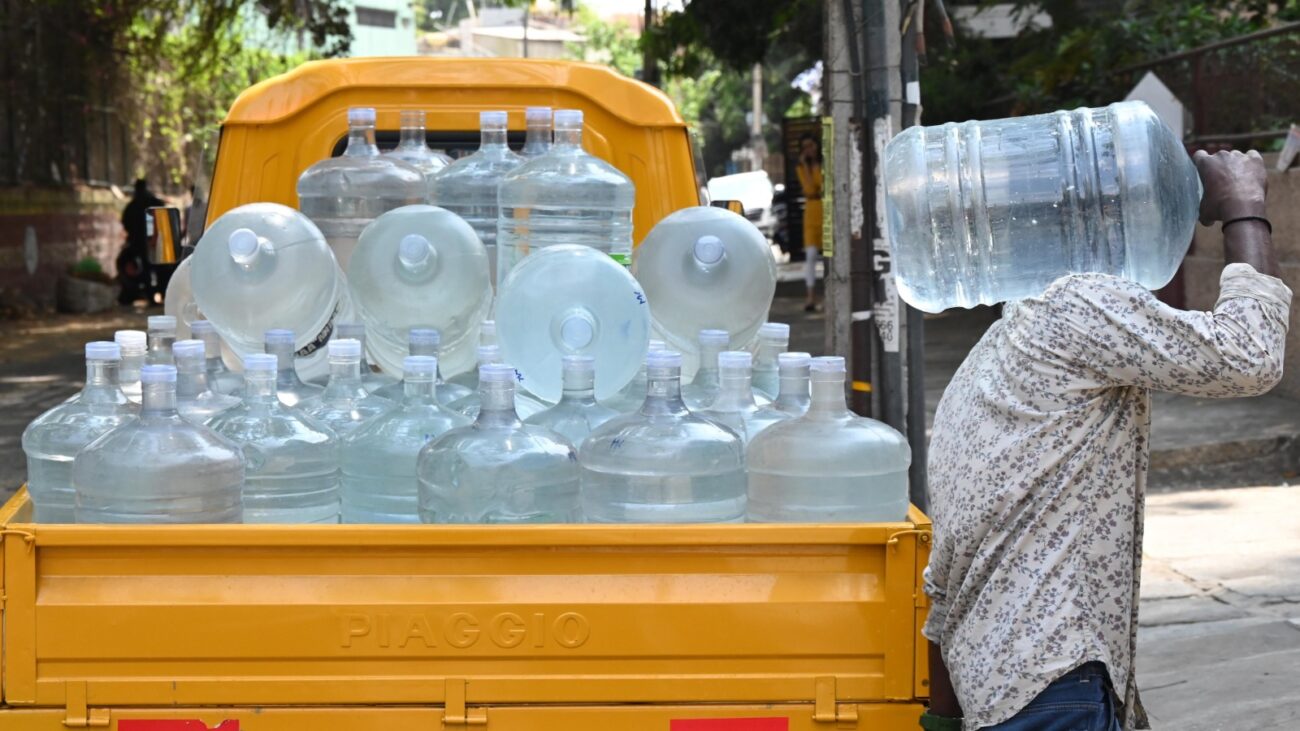
A diarrhoeal outbreak in Karnataka’s Chikkaballapur district has been traced to E. coli contaminated drinking water that was being sold illegally, prompting health authorities to intensify surveillance and launch an investigation into unauthorized water distribution practices. The incident has raised fresh concerns over drinking water safety and regulatory compliance in rural areas.
According to officials, laboratory tests confirmed the presence of Escherichia coli (E. coli) bacteria in the drinking water supplied to residents of the affected village. The contamination is believed to have caused an outbreak of vomiting, diarrhoea and other acute gastrointestinal illnesses, leading several residents to seek medical treatment.
An inquiry by district authorities revealed that the water was being sold without the necessary approvals and had been sourced from a private water purification unit operating with an expired licence. Officials have initiated action against those responsible and directed the immediate suspension of the unauthorized water supply. Water samples from multiple sources have been collected for further microbiological testing, while public health teams have been deployed to monitor the situation and prevent additional cases.
Health experts explained that E. coli is a bacterium commonly found in the intestines of humans and animals. Its presence in drinking water is a strong indicator of faecal contamination and poor sanitation. While most strains are harmless, certain pathogenic strains can cause severe diarrhoea, abdominal cramps, vomiting and dehydration, particularly among children, older adults and individuals with weakened immunity.
According to WHO, contaminated drinking water remains one of the leading causes of waterborne diseases worldwide, contributing to millions of cases of diarrhoeal illness every year. Public health experts stress that access to safe drinking water, regular quality testing and proper sanitation are essential to preventing outbreaks of diseases such as typhoid, cholera and acute gastroenteritis.
The Karnataka health department has advised residents to consume only boiled or properly treated drinking water, maintain strict hand hygiene and seek immediate medical attention if symptoms such as persistent diarrhoea, vomiting or dehydration develop. Local authorities have also intensified inspections of packaged drinking water units to ensure compliance with food safety and public health regulations.
The incident highlights the critical importance of stringent monitoring of drinking water quality and licensing of water purification facilities. Healthcare experts have called for stronger enforcement mechanisms and routine surveillance to safeguard public health and prevent similar outbreaks in the future.