

E-Prescriptions Drive Digital Healthcare Transformation, Enhancing Patient Safety and Clinical Efficiency
India's healthcare ecosystem is witnessing a steady shift from handwritten prescriptions to electronic prescriptions (e-prescriptions), as hospitals, clinics and digital health platforms increasingly adopt technology to improve patient safety, medication accuracy and continuity of care.

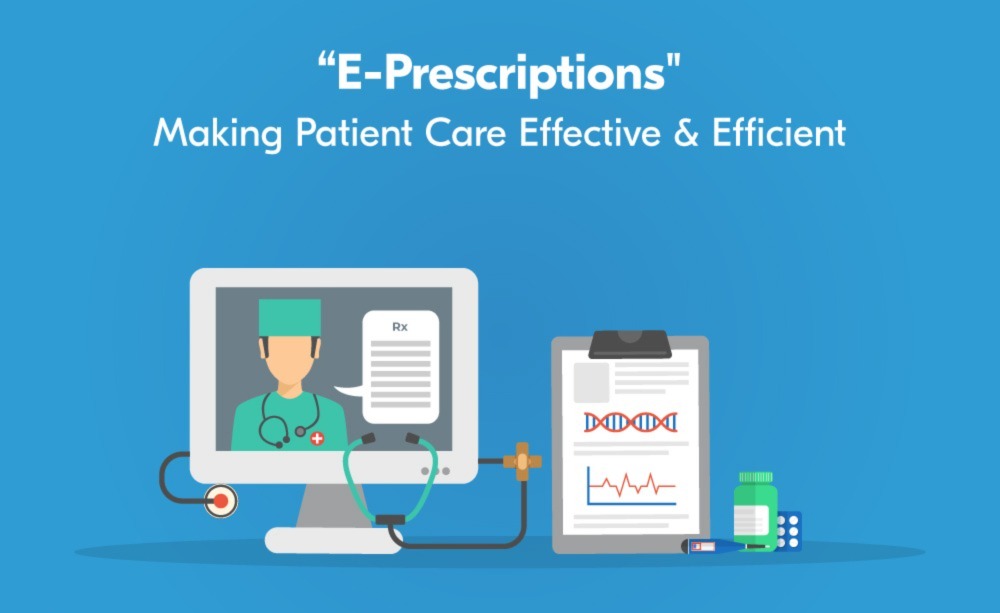
India’s healthcare ecosystem is witnessing a steady shift from handwritten prescriptions to electronic prescriptions (e-prescriptions), as hospitals, clinics and digital health platforms increasingly adopt technology to improve patient safety, medication accuracy and continuity of care. Integrated with electronic health records (EHRs) and the Ayushman Bharat Digital Mission (ABDM), e-prescriptions are emerging as a critical pillar of India’s digital health infrastructure, enabling seamless information exchange between doctors, pharmacies and patients while reducing prescription errors associated with illegible handwriting.
An e-prescription is a digitally generated and electronically transmitted prescription that replaces conventional paper based prescriptions. Unlike handwritten notes, digital prescriptions provide standardized medication details, dosage instructions, treatment duration and patient information while maintaining a secure electronic record. They can be integrated with hospital information systems, pharmacy management software, laboratory services and Ayushman Bharat Health Account (ABHA) IDs, enabling clinicians to access complete patient histories and
improving care coordination across healthcare facilities. Studies indicate that digital prescribing significantly reduces medication errors, enhances prescription legibility and supports faster clinical decision making.
The adoption of e prescriptions is accelerating alongside India’s broader digital health initiatives. Under the Ayushman Bharat Digital Mission, millions of health records have already been linked with ABHA IDs, enabling healthcare providers to issue and retrieve digital prescriptions securely across participating facilities. Several states have begun implementing digital prescribing systems in public hospitals and primary healthcare centres to improve patient convenience, reduce paperwork and create interoperable digital health records. These initiatives also support telemedicine by allowing doctors to generate legally valid prescriptions during virtual consultations.
Beyond improving patient safety, e-prescriptions deliver substantial operational benefits for healthcare providers. Digital prescribing minimizes manual documentation, reduces duplicate prescriptions, enables automated drug interaction checks and facilitates real-time monitoring of medication history. Research has also highlighted the potential of digital prescribing to improve healthcare quality, lower administrative costs and strengthen medicine traceability while supporting integration with e-pharmacy services and national digital health programmes. As healthcare institutions increasingly adopt AI-powered clinical decision support systems, e-prescriptions are expected to become an integral component of intelligent, data-driven care delivery.
Healthcare experts believe the transition from paper pads to digital prescriptions represents a significant step toward a safer, more connected and patient-centric healthcare system. As India continues expanding its digital health infrastructure through ABDM, interoperable health records and AI-enabled hospital systems, widespread adoption of e-prescriptions is expected to improve treatment accuracy, enhance patient outcomes and accelerate the country’s journey toward a fully integrated digital healthcare ecosystem.