

Extreme Heat Could Cause 3,400 Excess Deaths in a Single Day Across India, Study Warns
A new study has highlighted the growing public health risks posed by extreme heat in India, estimating that a single day of severe heat exposure could result in nearly 3,400 excess deaths nationwide. The findings, published

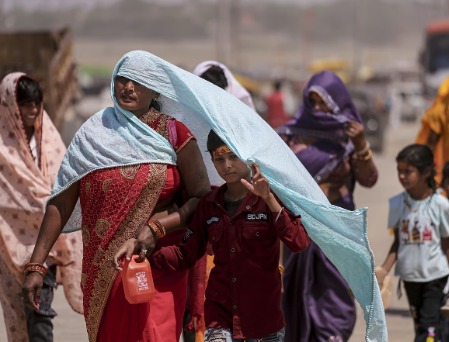
A new study has highlighted the growing public health risks posed by extreme heat in India, estimating that a single day of severe heat exposure could result in nearly 3,400 excess deaths nationwide.
The findings, published by researchers from the India Energy and Climate Center, were derived by adapting data from a multi city analysis of heat related mortality across 10 Indian cities and applying it to districts across the country. The study underscores the increasing health burden associated with rising temperatures and more frequent heatwaves linked to climate change.
Researchers found that heat related deaths are often underreported because extreme heat frequently worsens existing conditions such as cardiovascular disease, respiratory illness, kidney disorders, and diabetes rather than being recorded as the direct cause of death. As a result, the actual impact of heatwaves on public health may be significantly higher than official estimates suggest.
The warning comes as several parts of India continue to record temperatures above 45°C, with heatwave conditions becoming more intense and prolonged. According to the India Meteorological Department (IMD), the frequency and duration of heatwaves have increased considerably over the past decade.
Public health experts say vulnerable groups including older adults, children, outdoor workers, low income communities, and people with chronic illnesses face the highest risk during periods of extreme heat. They stress that heatwaves should be treated as a major public health emergency rather than merely a weather event.
The study has renewed calls for stronger Heat Action Plans, improved early warning systems, expanded access to cooling centres, and greater public awareness about hydration and heat related illnesses. Experts also emphasize the need for healthcare systems to be better prepared for surges in heat related emergencies.
As climate change continues to drive extreme weather events, researchers warn that protecting communities from heat related health risks must become a national priority to prevent avoidable deaths and strengthen climate resilience across India.