
Inputs on World Stroke Day
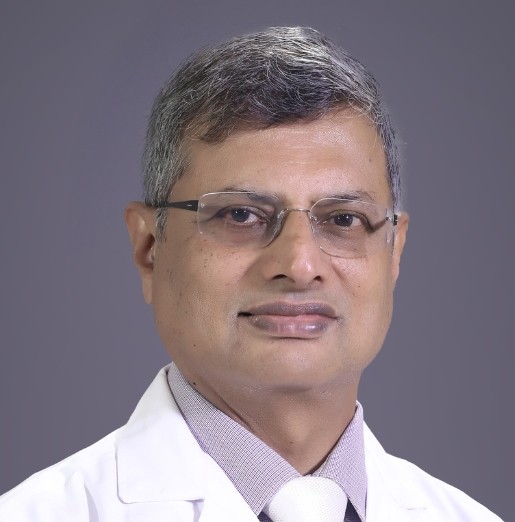
Dr. Deep Das, Neurologist, CMRI Kolkata “World Stroke Day serves as a reminder that stroke is one of the few medical emergencies where time truly equals life. Early action can make all the difference. Recognising
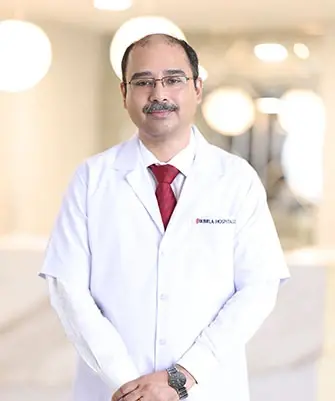
Dr. Deep Das, Neurologist, CMRI Kolkata
“World Stroke Day serves as a reminder that stroke is one of the few medical emergencies where time truly equals life. Early action can make all the difference. Recognising stroke symptoms is the first step, which can be easily remembered through the acronym ‘BE FAST’, where B stands for Balance, E for Eye or vision, F for Face — notice if the face becomes distorted, A for Arm — check for weakness or loss of grip, S for Speech — look for slurred or unclear speech, and T for Time — act immediately and reach a hospital without delay.
What makes a real difference is how quickly a stroke is diagnosed. With the advent of AI, we can now use advanced CT and MRI facilities that can detect stroke instantaneously using rapid AI-driven software. Early diagnosis enables timely treatments such as intravenous thrombolysis and mechanical thrombectomy, which have proven to be game-changers in stroke management. Traditionally, stroke diagnosis and treatment have relied heavily on clinical expertise and imaging techniques, which could sometimes lead to delays in decision-making. AI has significantly enhanced these processes by providing rapid image analysis and predicting stroke outcomes with high accuracy. Machine learning algorithms can interpret CT and MRI scans faster than radiologists, identifying ischemic areas and hemorrhages early, thereby expediting critical interventions such as thrombolysis or thrombectomy.
AI-powered tools are being developed for stroke rehabilitation, offering tailored therapy plans and real-time progress monitoring. Furthermore, AI-driven wearable devices and mobile apps facilitate continuous monitoring of at-risk populations, enabling early alerts and preventive care.”
Attributed to Dr Anjani Kumar Sharma, Director – Neuroscience, CK Birla Hospitals, Jaipur
“World Stroke Day serves as a powerful reminder that stroke is a medical emergency that can affect anyone, anywhere — but it is also largely preventable. Despite major advances in diagnosis and treatment, the burden of stroke continues to rise, particularly in younger populations due to changing lifestyles, stress, and unmonitored health conditions. Every second lost during a stroke means millions of brain cells and neurons are damaged, so early recognition and immediate hospital care are absolutely crucial. The acronym FAST — Face drooping, Arm weakness, Speech difficulty, Time to call emergency services — should be known to everyone.
Nearly 80% of strokes can be prevented through simple but consistent measures: controlling blood pressure and diabetes, avoiding tobacco and alcohol, eating a balanced diet, exercising regularly, and managing cholesterol. Stroke is not the end — with timely medical intervention and focused rehabilitation, patients can regain independence and quality of life. On this World Stroke Day, let’s unite to spread awareness, empower communities to act fast, and support survivors in their recovery journey. Together, we can change the story of stroke from one of fear to one of hope and resilience.”
Dr Pushkar Gupta, Director – Neurology, CK Birla Hospitals, Jaipur
“As neurologists, we witness every day how stroke can strike suddenly, disrupting not only the life of an individual but also their family and community. Yet, what is heartening is that stroke is preventable, treatable, and increasingly survivable when recognized early. The message for World Stroke Day 2025 is clear — awareness saves lives. High blood pressure, diabetes, obesity, and sedentary lifestyles are silent but powerful risk factors. Regular check-ups, medication adherence, and healthy living habits can drastically reduce one’s risk.
The first few hours after a stroke — known as the ‘golden window’ — are critical. Modern treatments like clot-busting drugs and advanced neuro-interventional procedures can restore blood flow and prevent permanent disability, but only if patients reach the hospital in time. Public education, emergency response, and access to specialized stroke centers are key.
On this World Stroke Day, let’s reaffirm our commitment to community education, early action, and compassionate rehabilitation. Stroke awareness should not be limited to hospitals — it should start in homes, schools, and workplaces. Prevention is truly the best cure, and timely action is the bridge between life and recovery.”