
PM-JAY Expansion: Can India’s Smaller Public Hospitals Deliver 89 Additional Treatments?
India's public healthcare system could be heading towards an important change under the Ayushman Bharat Pradhan Mantri Jan Arogya Yojana (AB PM-JAY). The National Health Authority (NHA) is considering expanding the treatment packages reserved for

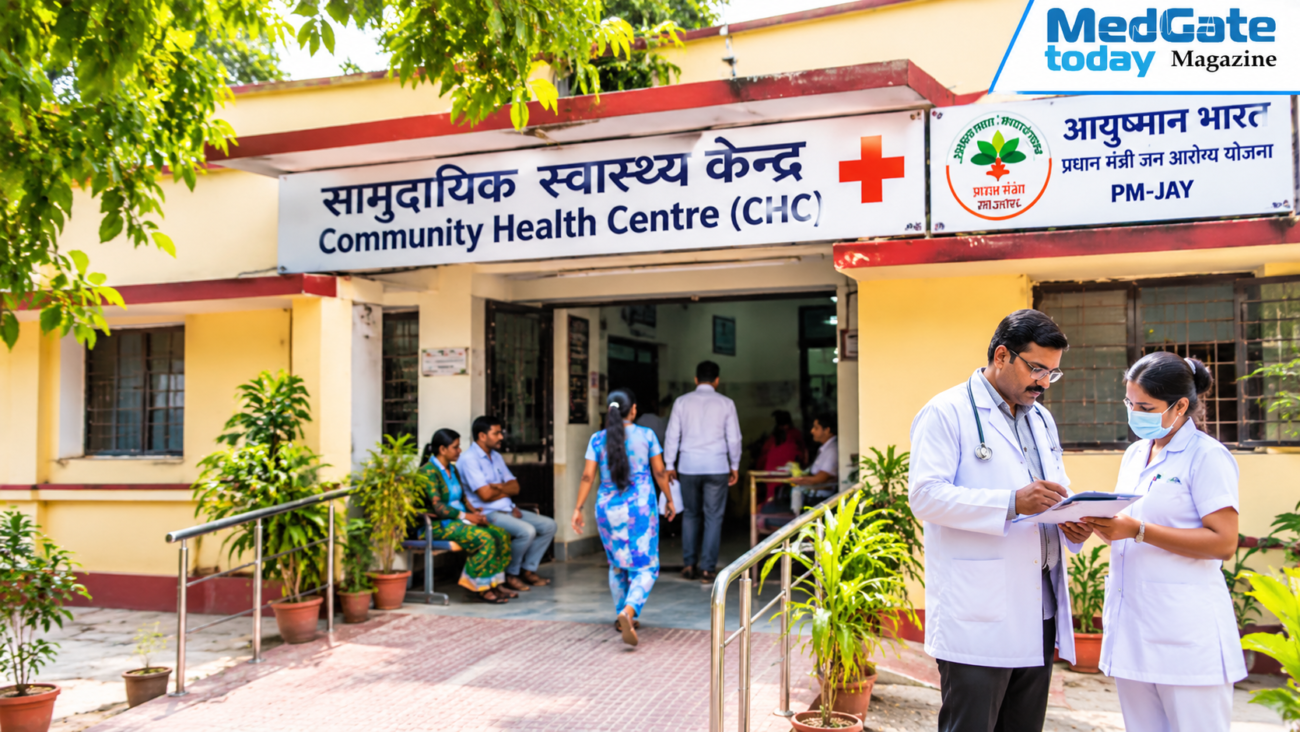
India’s public healthcare system could be heading towards an important change under the Ayushman Bharat Pradhan Mantri Jan Arogya Yojana (AB PM-JAY). The National Health Authority (NHA) is considering expanding the treatment packages reserved for government hospitals from 23 to 112. The proposed expansion would add 89 procedures and treatments, with a particular focus on strengthening services at Community Health Centres (CHCs) and Sub-Divisional Hospitals (SDHs).
The proposal, reported on November 18, 2026, brings an important public-health question into focus: can smaller government hospitals actually deliver these additional treatments with their existing infrastructure and workforce?
Expanding the range of services available through PM-JAY could reduce the need for patients to travel to district hospitals or larger medical institutions for routine procedures. It could also improve access to affordable treatment, particularly for people living in rural and semi-urban areas.
However, adding treatment packages to a government health insurance scheme is only one part of the solution. Hospitals also need qualified doctors, trained nursing staff, diagnostic facilities, operation theatres, medical equipment and sufficient beds. Without these essentials, an expanded list of treatments may increase expectations without improving actual healthcare delivery.
The proposed change therefore presents an opportunity to examine the difference between insurance coverage and the real treatment capacity of India’s public healthcare infrastructure.
What Does the Proposed PM-JAY Expansion Mean for Government Hospitals?
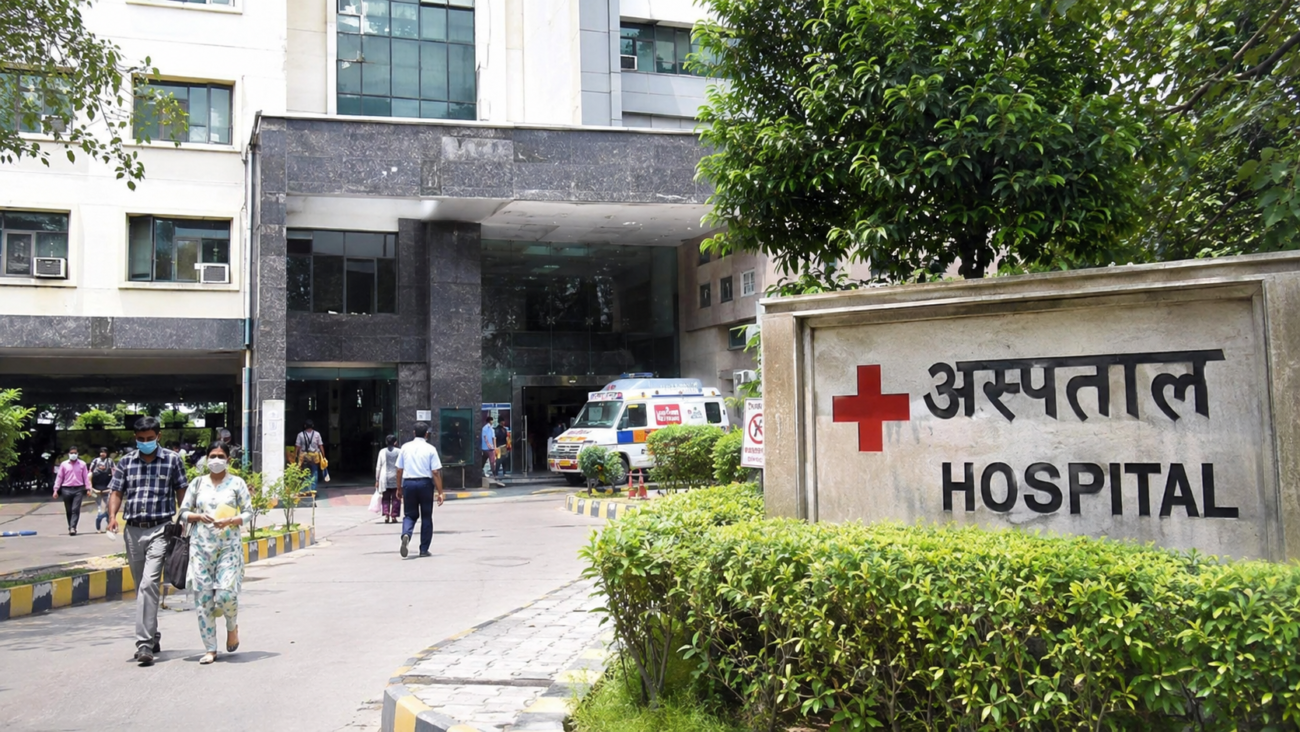
The proposed expansion would increase the number of treatment packages reserved for government healthcare facilities under PM-JAY from 23 to 112. This represents a significant increase in the range of services that eligible public hospitals could potentially provide under the scheme.
The objective is to make government healthcare facilities more capable of handling treatments that might otherwise require patients to visit larger hospitals. Community Health Centres and Sub-Divisional Hospitals are particularly important because they serve as a link between primary healthcare facilities and district-level hospitals.
Under the existing healthcare structure, patients with conditions requiring specialist attention are often referred to larger institutions. This can lead to overcrowding, longer waiting periods and additional travel expenses.
If implemented effectively, the expanded PM-JAY treatment packages could help address some of these challenges by bringing suitable medical and surgical services closer to communities.
However, the proposal should not be viewed simply as an expansion of insurance coverage. It is also a test of whether India’s public healthcare infrastructure can deliver a wider range of treatments safely and consistently.
Why Community Health Centres and Sub-Divisional Hospitals Matter
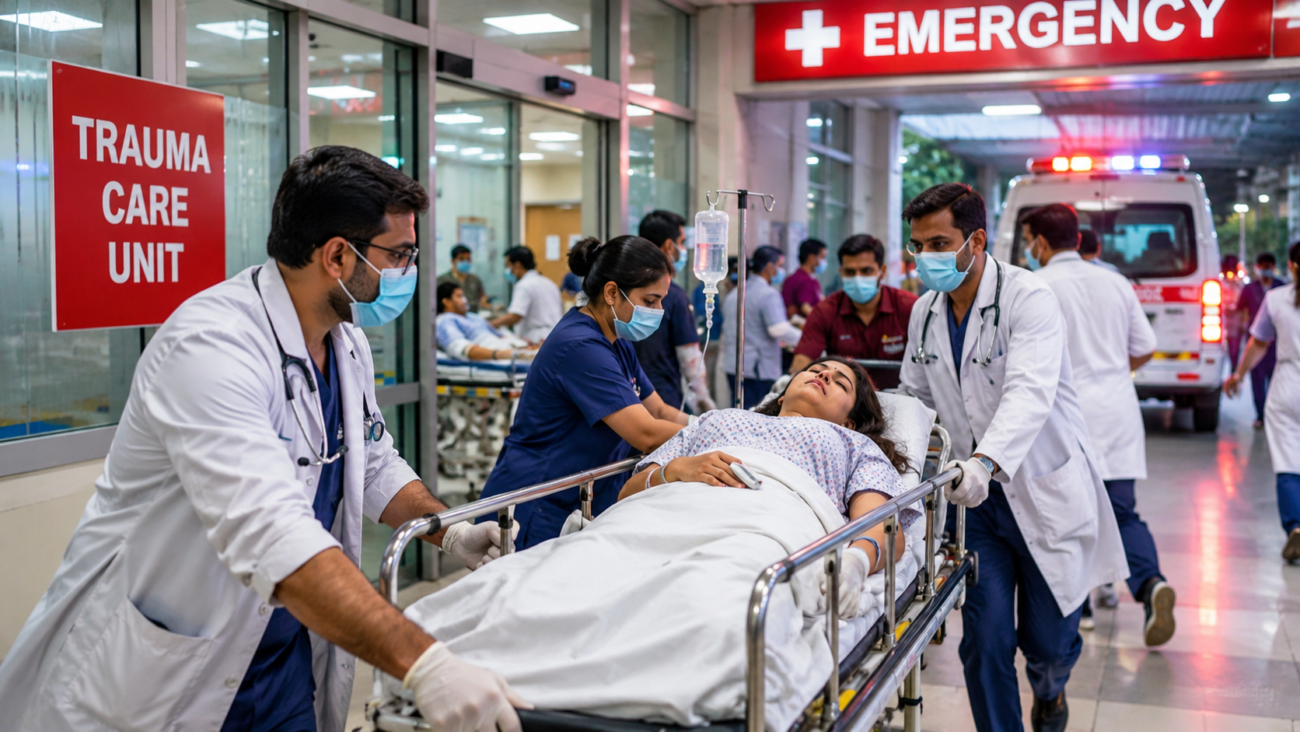
Community Health Centres and Sub-Divisional Hospitals play an important role in India’s healthcare delivery network. They provide secondary-level services to populations that may not have convenient access to large government hospitals or medical colleges.
Community Health Centres (CHCs) generally serve as referral facilities for primary healthcare institutions. Depending on their infrastructure and staffing, they can provide outpatient services, emergency care, maternity services, basic surgical procedures and specialist consultations.
Sub-Divisional Hospitals (SDHs) generally operate at a higher level within the district healthcare structure. They can provide a broader range of specialist services, inpatient treatment, emergency care and surgical interventions.
These institutions are particularly important in rural and semi-urban regions, where travelling to a district hospital can involve considerable time and expense.
Expanding PM-JAY treatment packages at these facilities could offer several benefits.
First, patients may receive treatment closer to their homes. Second, district hospitals and tertiary healthcare institutions could experience reduced pressure if suitable procedures are managed at lower levels. Third, government hospitals could strengthen their role as important providers of affordable secondary healthcare.
However, these benefits will depend on whether individual facilities have the resources and trained personnel needed to perform the additional procedures.
Which Treatments Can Realistically Be Shifted Closer to Communities?
Not every medical procedure requires the infrastructure of a large tertiary hospital. Several routine medical and surgical services can potentially be delivered at appropriately equipped CHCs and SDHs.
The key is to identify treatments according to the clinical capabilities of each facility rather than assigning the same responsibilities to every hospital.
Routine surgical procedures
Selected minor and intermediate surgical procedures could be considered for appropriately equipped government hospitals. These may include certain general surgical procedures, wound management and other interventions that do not require highly specialised infrastructure.
However, even routine surgery requires trained surgeons, anaesthesia support, sterilisation facilities, post-operative monitoring and emergency backup.
Maternal and reproductive healthcare
Selected maternity-related procedures and gynaecological services could also be strengthened at facilities with qualified specialists and appropriate delivery infrastructure.
Access to safe maternity services is especially important in areas where patients otherwise need to travel long distances for specialist care.
Diagnostic and medical services
Diagnostic services, selected non-complex medical treatments and specialist consultations could be expanded where the necessary equipment and trained professionals are available.
Improved diagnostic capacity could also help doctors identify complications earlier and make appropriate referrals.
The proposed expansion should therefore follow a facility-based approach. A CHC with basic surgical infrastructure should not automatically be expected to provide the same treatments as a well-equipped SDH.
The Biggest Challenge: Do Smaller Hospitals Have the Required Infrastructure?
The success of the proposed PM-JAY expansion will depend heavily on public hospital capacity.
A hospital may be included in a government healthcare scheme, but that does not necessarily mean it has the operational strength to provide every approved treatment.
Several infrastructure-related challenges need attention before additional procedures can be introduced.
Shortage of specialist doctors
Specialist availability remains one of the most important considerations. Surgical procedures require qualified surgeons, anaesthetists and other trained medical professionals.
Many smaller government hospitals face difficulties in filling specialist positions and maintaining adequate staffing levels. If additional treatment packages are introduced without addressing these shortages, hospitals may struggle to provide the services consistently.
Limited diagnostic facilities
Modern treatment depends on accurate and timely diagnosis. Hospitals need access to laboratory testing, imaging facilities and other essential diagnostic services.
If patients must travel to another hospital for important investigations, the objective of bringing treatment closer to communities may not be fully achieved.
Equipment and operation theatre readiness
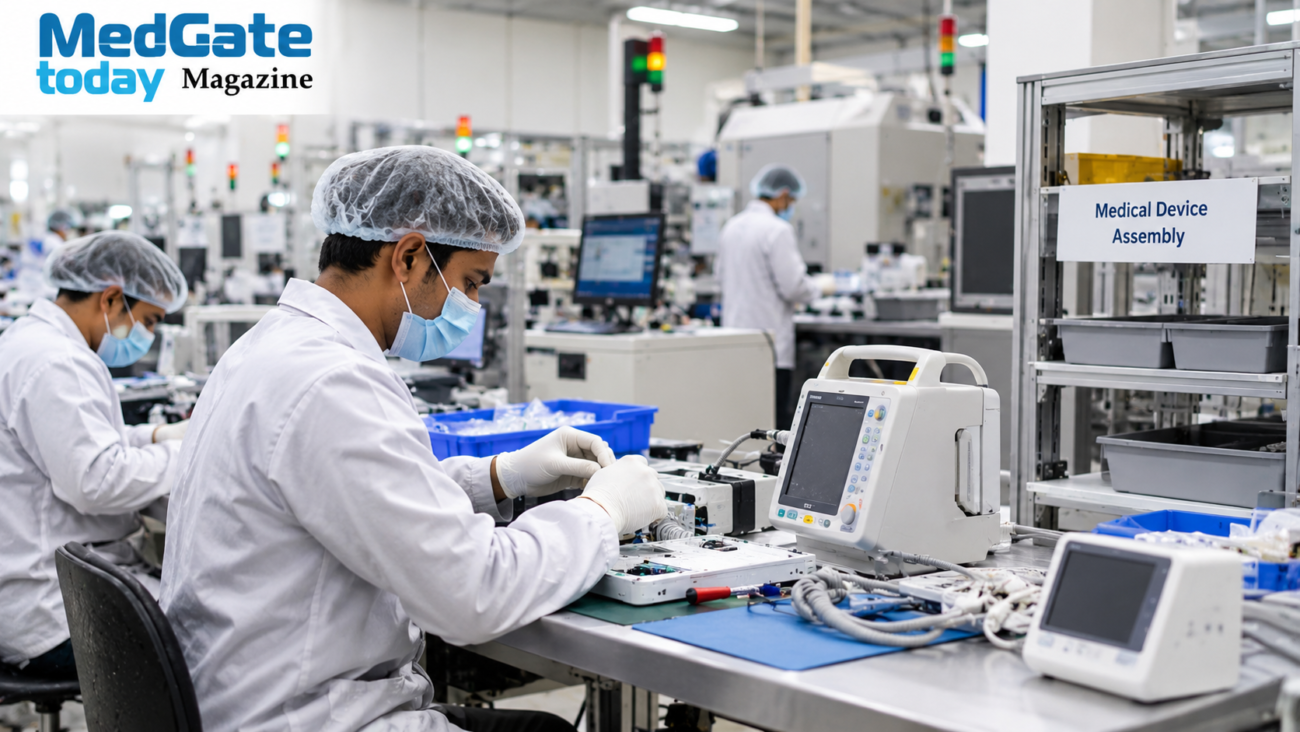
Surgical services require functional operation theatres, anaesthesia equipment, sterilisation systems, emergency medicines and post-operative monitoring facilities.
Regular equipment maintenance is equally important. Purchasing medical equipment without ensuring its availability, functionality and proper utilisation will not improve treatment capacity.
Availability of beds and nursing staff
Additional procedures may increase admissions and demand for inpatient services.
Hospitals must have sufficient beds, trained nursing staff, infection-control arrangements and post-operative care facilities. Without these resources, an increase in patient numbers could put existing services under further pressure.
The government will therefore need to assess hospital readiness before expanding the range of treatments available at individual facilities.
The Gap Between Empanelment, Reimbursement and Actual Treatment
One of the most important questions surrounding the expansion is whether empanelled hospitals will be able to translate approved treatment packages into actual patient services.
There are three separate stages involved.
Empanelment: A hospital is recognised under the scheme and authorised to provide specified services after meeting applicable requirements.
Reimbursement: The hospital can claim payment for eligible treatments delivered under the scheme, subject to applicable package rules and claim procedures.
Actual service delivery: The hospital must have the staff, infrastructure, equipment and clinical arrangements required to treat patients.
These stages are connected, but they are not interchangeable.
A hospital may be empanelled but lack a particular specialist. It may have the necessary equipment but face difficulties in maintaining adequate staff. It may also encounter administrative delays that affect reimbursement and operational planning.
For public hospitals, predictable funding and timely reimbursement are important for maintaining medicines, consumables, equipment and other essential resources.
The expansion of PM-JAY treatment packages should therefore include clear operational guidelines, transparent payment processes and effective monitoring of treatment delivery.
The real measure of success should not be the number of hospitals added to the scheme. It should be the number of patients who receive timely, safe and appropriate treatment.
What Should Be Done Before Introducing 89 Additional Treatments?
The proposed expansion offers an opportunity to strengthen India’s secondary healthcare system. However, implementation should be supported by a practical capacity-building strategy.
Conduct facility-level readiness assessments
Each CHC and SDH should undergo an assessment of its existing infrastructure, specialist availability, diagnostic services, equipment, beds and emergency support.
Treatment packages should be assigned according to the actual capabilities of individual facilities.
Recruit and retain specialist professionals
Governments should prioritise recruitment of surgeons, anaesthetists, physicians, radiologists and other specialists required for the proposed procedures.
Retention measures, professional development opportunities and improved working conditions can also help address staffing gaps.
Strengthen diagnostic and surgical infrastructure
Hospitals need functional laboratories, imaging facilities, operation theatres and essential medical equipment.
Maintenance contracts, equipment audits and reliable supply chains should form part of the implementation strategy.
Improve referral and emergency arrangements
Not every patient can or should be treated at a CHC or SDH. Facilities must have clear referral pathways to district hospitals and medical colleges for complicated cases.
Emergency transport, communication between hospitals and timely specialist support are equally important.
Monitor outcomes, not just treatment numbers
The government should monitor indicators such as treatment volumes, waiting times, referral rates, complication rates, claim settlement timelines and patient satisfaction.
These indicators can help identify whether the expanded services are genuinely improving healthcare access in India.
Can the Expansion Improve Healthcare Access in India?
The proposed expansion could become an important step towards reducing inequalities in healthcare access, particularly for economically weaker households and people living outside major cities.
For many patients, reaching a district hospital or medical college involves travel expenses, lost working days and additional pressure on family members. When appropriate treatments are available at nearby government facilities, these difficulties can be reduced.
It could also help distribute patient loads more evenly across the public healthcare system. Larger hospitals could focus more on complicated cases, advanced surgeries and specialised treatments, while smaller facilities manage suitable routine procedures.
However, the benefits will depend on implementation. Expanding treatment eligibility without improving hospital readiness could create new challenges, including longer waiting periods, staff shortages and increased pressure on existing infrastructure.
The government must therefore treat the proposal as a healthcare infrastructure initiative alongside an insurance policy expansion.
The larger objective should be to build a stronger network of government hospitals where patients can access reliable treatment without unnecessary delays or referrals.
Frequently Asked Questions (FAQs)
What are PM-JAY treatment packages?
PM-JAY treatment packages are predefined healthcare service packages under Ayushman Bharat Pradhan Mantri Jan Arogya Yojana. They cover eligible medical and surgical treatments according to scheme guidelines.
What is the proposed expansion of PM-JAY treatment packages?
The National Health Authority is considering increasing the treatment packages reserved for government hospitals from 23 to 112. The proposal would add 89 procedures and treatments.
What role will Community Health Centres play in the expansion?
Community Health Centres could provide selected additional medical and surgical services closer to communities, provided they have qualified doctors, appropriate equipment and necessary infrastructure.
Can Sub-Divisional Hospitals handle more PM-JAY treatments?
Some Sub-Divisional Hospitals may be capable of delivering additional treatments. However, their readiness will depend on specialist availability, diagnostic facilities, operation theatres, beds and trained healthcare workers.
Will the expansion automatically improve healthcare access in India?
No. Expanding treatment packages alone cannot guarantee better healthcare access. Hospitals must also receive adequate funding, staffing, equipment and operational support to deliver the additional services.
Conclusion: Hospital Readiness Will Determine the Success of PM-JAY Expansion
The proposed expansion of PM-JAY treatment packages from 23 to 112 could create new opportunities for strengthening India’s public healthcare system. By bringing suitable medical and surgical procedures closer to communities, the initiative could reduce unnecessary referrals, ease pressure on larger hospitals and improve access to affordable treatment.
However, the real challenge lies in implementation.
Community Health Centres and Sub-Divisional Hospitals need qualified specialists, reliable diagnostic facilities, functional operation theatres, adequate beds and efficient reimbursement systems before they can take responsibility for additional procedures.
The government should prioritise hospital readiness, workforce development and patient safety rather than focusing only on expanding the number of approved treatment packages.
Ultimately, the success of this proposal will not be determined by how many treatments are added to the scheme, but by how many patients can actually receive safe, timely and quality treatment at their nearest government hospital.
.
Disclaimer: This article is intended solely for general information and awareness and does not constitute professional advice, recommendation or endorsement; MedGate Today assumes no liability for decisions made based on its contents.