

Samsung Study Suggests Galaxy Watch6 AI Could Predict Fainting Episodes Minutes Before They Occur
A recent study involving Samsung’s Galaxy Watch6 series has indicated that artificial intelligence-powered wearable technology may be capable of predicting fainting episodes several minutes before they occur, marking a significant development in preventive healthcare and

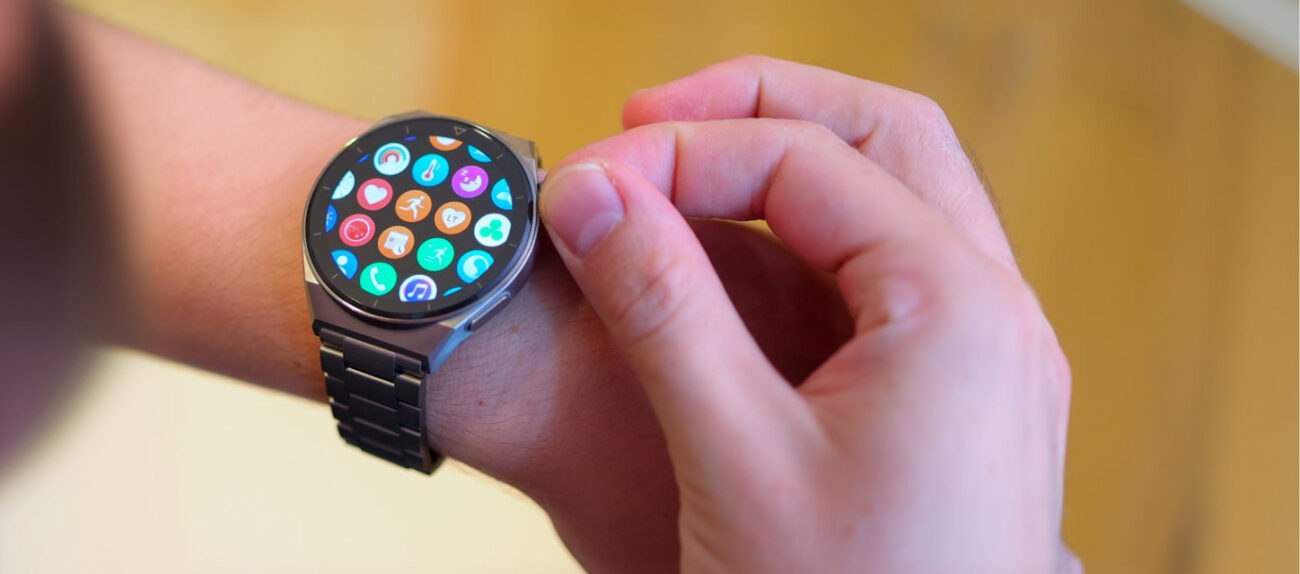
A recent study involving Samsung’s Galaxy Watch6 series has indicated that artificial intelligence-powered wearable technology may be capable of predicting fainting episodes several minutes before they occur, marking a significant development in preventive healthcare and real time patient monitoring.
The research explored how AI based analysis of biometric data collected through the Galaxy Watch6 could detect early physiological warning signs associated with syncope, commonly known as fainting. Researchers focused particularly on vasovagal syncope, one of the most common forms of fainting caused by sudden drops in heart rate and blood pressure.
According to findings highlighted in the study, the AI system was able to identify subtle physiological changes and warning patterns minutes before a fainting episode occurred, potentially allowing users enough time to sit down, seek assistance, or avoid serious injuries caused by sudden falls.
The smartwatch reportedly analyzed multiple health indicators, including heart rate variability, cardiovascular responses, autonomic nervous system activity, and other biometric patterns to generate predictive insights. Experts believe such technology could become particularly useful for elderly individuals, cardiac patients, and people with recurrent syncope conditions.
Medical studies estimate that nearly 30% – 40% of people globally experience at least one fainting episode during their lifetime, while recurrent syncope affects millions annually and contributes to increased hospitalization risks and accidental injuries. Healthcare experts note that fainting related falls are especially dangerous among older adults, often leading to fractures and emergency medical admissions.
The Galaxy Watch6 series already includes advanced health monitoring capabilities such as continuous heart rate tracking, ECG functionality, sleep analysis, stress monitoring, and AI assisted wellness insights. The latest findings demonstrate how wearable devices are increasingly evolving from fitness focused gadgets into predictive healthcare tools capable of supporting early intervention systems.
The global wearable healthcare technology market has also witnessed rapid growth in recent years. Industry estimates suggest the global smart wearable healthcare market could surpass USD 70–80 billion within the next few years, driven by rising demand for remote monitoring, AI-based diagnostics, and preventive health solutions.
Experts, however, caution that smartwatch based predictive systems are not intended to replace professional medical diagnosis or emergency healthcare services. While the study results are considered promising, broader clinical trials and large scale validation will likely be required before such AI powered syncope prediction systems become part of mainstream medical practice.
The development nevertheless highlights the growing integration of artificial intelligence, digital health ecosystems, and consumer wearable devices in transforming personalized healthcare, preventive medicine, and real time patient monitoring worldwide.