
Study Finds 60% of HIV Patients in India Diagnosed Late, Highlighting Need for Early Testing and Awareness
A new Indian study has found that nearly 60% of people living with HIV are diagnosed at an advanced stage of infection, underscoring the urgent need for earlier screening, greater public awareness and improved access

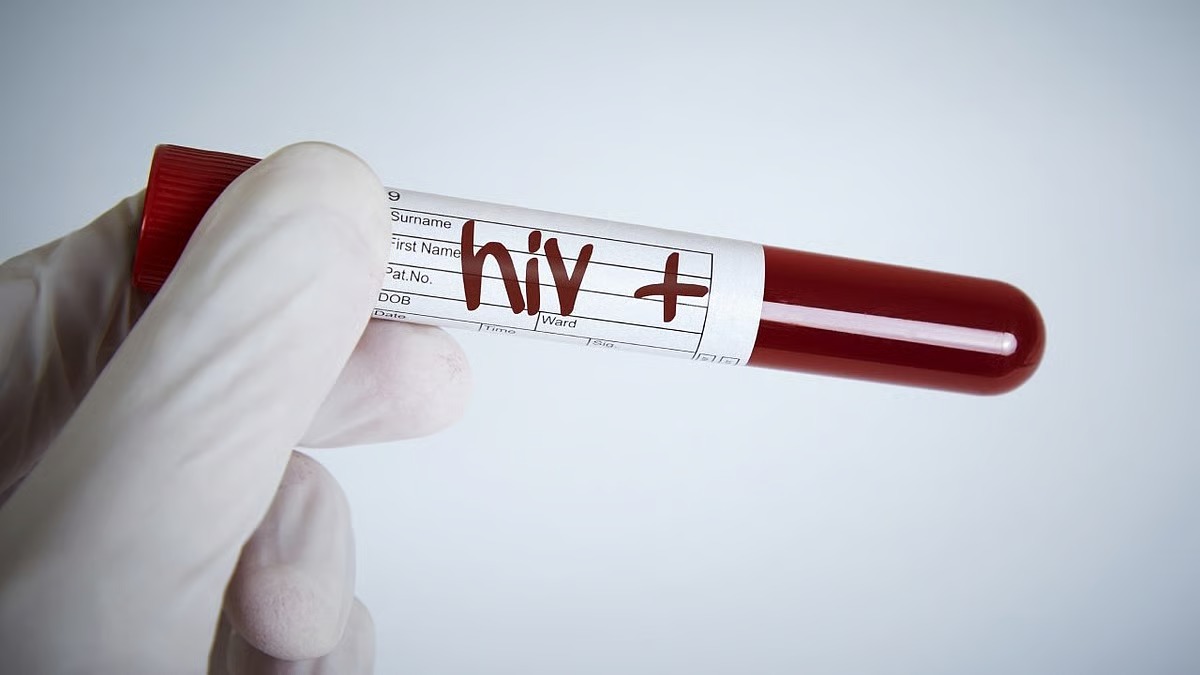
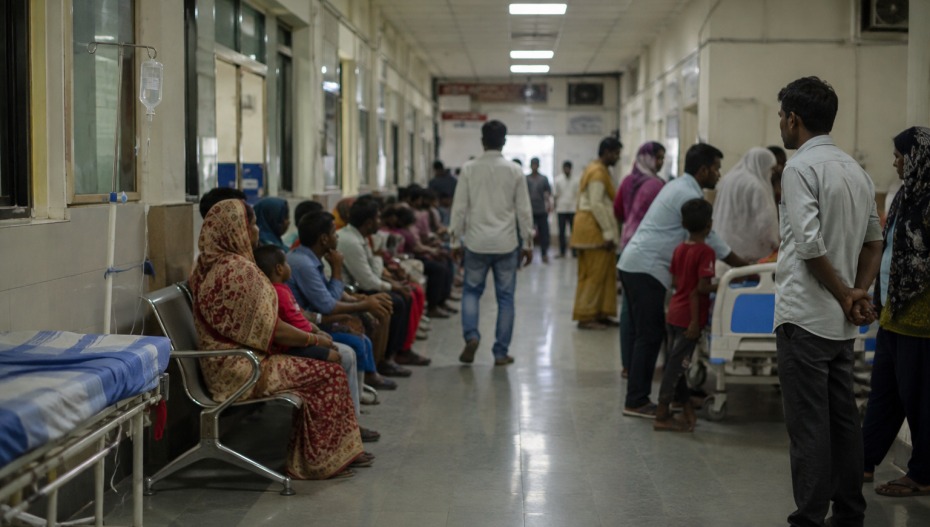
A new Indian study has found that nearly 60% of people living with HIV are diagnosed at an advanced stage of infection, underscoring the urgent need for earlier screening, greater public awareness and improved access to HIV testing services. Published in the Journal of the Indian Medical Association (JIMA) in May 2026, the research analysed 402 newly diagnosed HIV-positive adults who attended the Antiretroviral Therapy (ART) Centre at Dr Ram Manohar Lohia Institute of Medical Sciences (RMLIMS), Lucknow, between January 2021 and July 2022. The findings indicate that delayed diagnosis remains a major barrier to timely treatment and improved patient outcomes in India.
The study reported that approximately six out of every 10 patients presented with advanced HIV disease, characterised by severe immune suppression at the time of diagnosis. Researchers observed that delayed diagnosis significantly increases the risk of opportunistic infections, prolonged hospitalisation and HIV-related mortality, while also reducing the effectiveness of antiretroviral therapy (ART). The findings highlight the importance of routine HIV testing, particularly among high risk populations, to enable early diagnosis and prompt initiation of treatment.
According to the Joint United Nations Programme on HIV/AIDS (UNAIDS), around 39.9 million people worldwide were living with HIV in 2024, while 1.3 million new infections and approximately 630,000 AIDS related deaths were recorded globally. In India, the National AIDS Control Organisation (NACO) estimates that nearly 2.5 million people are living with HIV, making early diagnosis and uninterrupted access to ART essential to achieving the country’s goal of ending AIDS as a public health threat by 2030. Delayed diagnosis not only affects individual survival but also increases the risk of ongoing community transmission.
Healthcare experts noted that stigma, low awareness, limited risk perception and delayed healthcare seeking behaviour remain key contributors to late HIV diagnosis. They emphasised that expanding community-based screening, integrating HIV testing into routine healthcare services and strengthening counselling programmes can help identify infections earlier and improve long term treatment outcomes. Early initiation of ART has been shown to significantly reduce HIV related complications, improve life expectancy and minimise transmission risk.
The study reinforces the need to strengthen India’s HIV testing and prevention strategy through targeted awareness campaigns, wider availability of diagnostic services and timely linkage to treatment. Public health experts believe that improving early diagnosis will be critical to reducing the burden of advanced HIV disease, enhancing patient survival and supporting India’s commitment to achieving the UNAIDS 95-95-95 targets and ending the HIV epidemic by 2030.