
World Alzheimer’s Day: Stakeholders Seek Early Detection, Caregiver Support
World Alzheimer’s Day is observed every year on September 21 to raise awareness about Alzheimer’s disease and other forms of dementia. The day provides an opportunity to focus on the challenges faced by people living

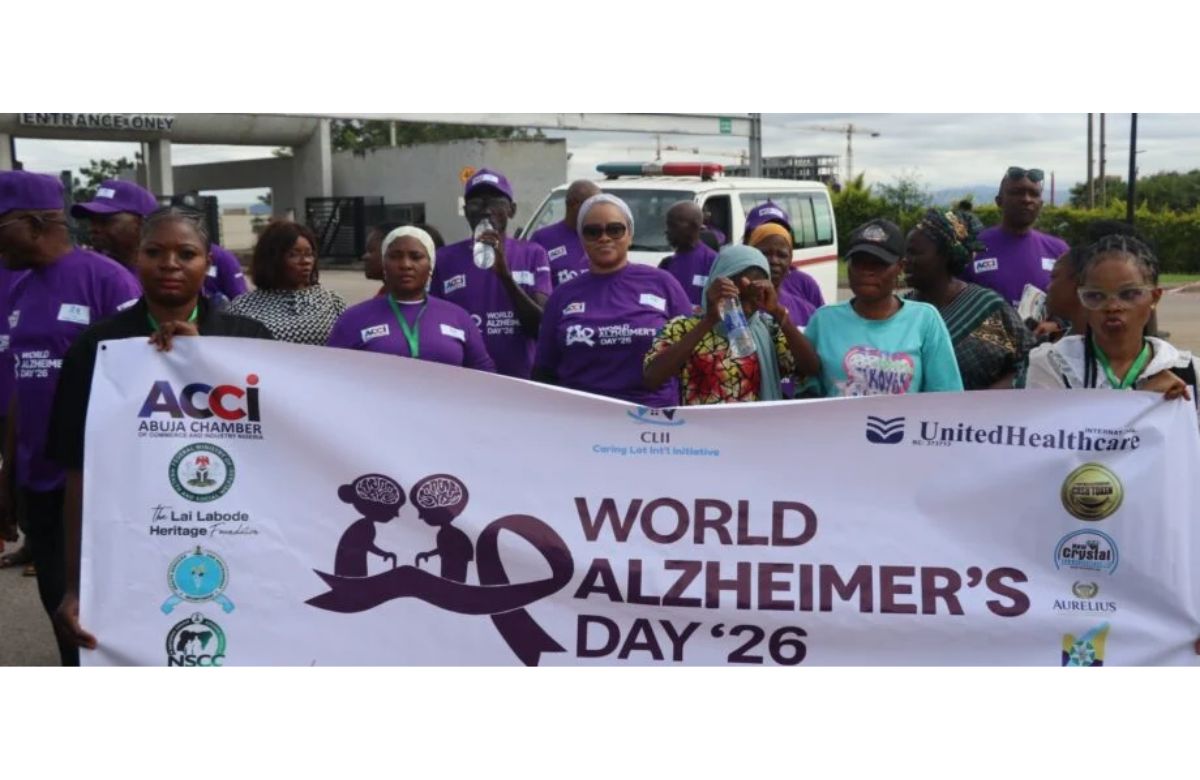
World Alzheimer’s Day is observed every year on September 21 to raise awareness about Alzheimer’s disease and other forms of dementia. The day provides an opportunity to focus on the challenges faced by people living with memory-related disorders, their families, caregivers and healthcare professionals. This year, stakeholders are placing greater emphasis on early detection, timely medical support and stronger assistance for caregivers, as the impact of dementia extends far beyond the individual diagnosed with the condition.
Alzheimer’s disease is a progressive neurological disorder that primarily affects memory, thinking and behaviour. In its early stages, symptoms may appear subtle and can sometimes be mistaken for normal ageing. Forgetfulness, difficulty finding the right words, problems with familiar tasks, confusion about time or place, and changes in mood or behaviour can be among the warning signs. Recognising these changes early can help families seek professional evaluation rather than waiting until symptoms become severe.
Early Detection Can Make a Difference
Healthcare professionals and dementia specialists continue to stress the importance of identifying cognitive changes at an early stage. While there is currently no universal cure for Alzheimer’s disease, early diagnosis can help patients and families understand the condition and plan appropriate care.
An early assessment may also help doctors identify other medical conditions that can contribute to memory or cognitive problems. Depending on the individual’s symptoms, doctors may recommend clinical assessments, cognitive testing, laboratory investigations and brain imaging.
Early detection also gives families more time to discuss treatment options, future care preferences, financial matters and other practical decisions. For patients, it can provide an opportunity to remain involved in decisions about their healthcare for as long as possible.
Public awareness therefore remains an important part of the fight against dementia. Experts encourage people not to ignore persistent or worsening memory problems, particularly when they begin interfering with everyday activities.
Read More: Yashoda Group of Hospitals’ Dr. Upasana Arora Leads Women’s Health Dialogue at BRICS WBA Summit
Supporting Caregivers and Families
Alzheimer’s disease can place a significant emotional, physical and financial burden on caregivers. As the condition progresses, individuals may require assistance with medication, personal care, mobility, communication and daily activities. Family members often take on these responsibilities while continuing with their own professional and personal commitments.
Caregiver support needs to become a more visible part of dementia care. Families can benefit from counselling, support groups, respite services, caregiver education and guidance from healthcare professionals. Understanding the disease can also help caregivers respond more effectively to behavioural and communication changes.
Reducing stigma is equally important. People living with Alzheimer’s should be treated with dignity, patience and respect. Communities can contribute by creating environments where older adults feel included rather than isolated.
On World Alzheimer’s Day, stakeholders are calling for greater awareness, accessible diagnostic services and stronger support systems for patients and caregivers. A comprehensive approach that combines early recognition, medical care, emotional support and community participation can help families navigate the challenges associated with dementia while preserving quality of life and dignity.