
India Advocates ‘All-Inclusive Intelligence’ for AI in Healthcare at WHO Assembly, Calls for Ethical and Human-Centric Innovation
India has presented its vision of “All-Inclusive Intelligence” for the use of Artificial Intelligence in healthcare at the World Health Organization meeting, emphasizing equity, ethics, accessibility, and public welfare as the foundation for future AI-driven

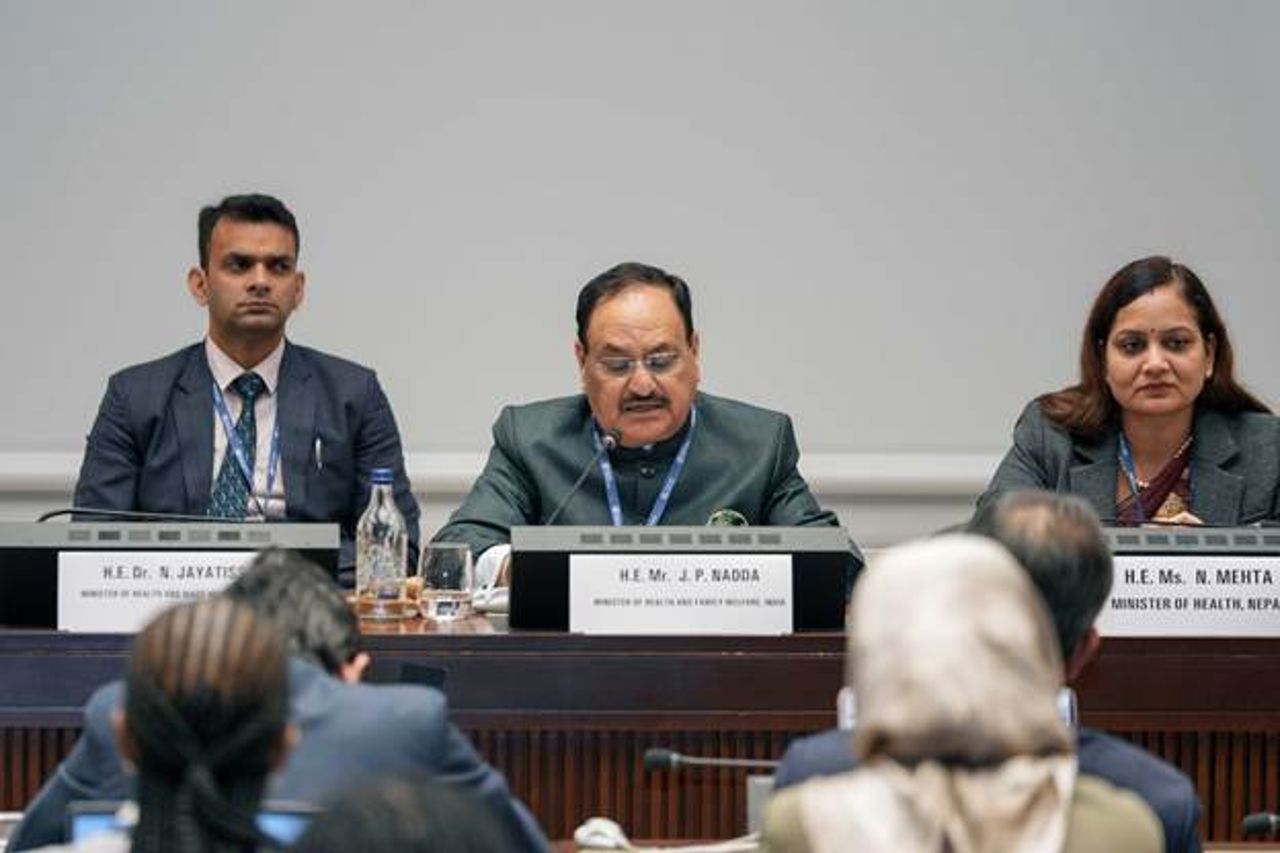
India has presented its vision of “All-Inclusive Intelligence” for the use of Artificial Intelligence in healthcare at the World Health Organization meeting, emphasizing equity, ethics, accessibility, and public welfare as the foundation for future AI-driven healthcare systems.
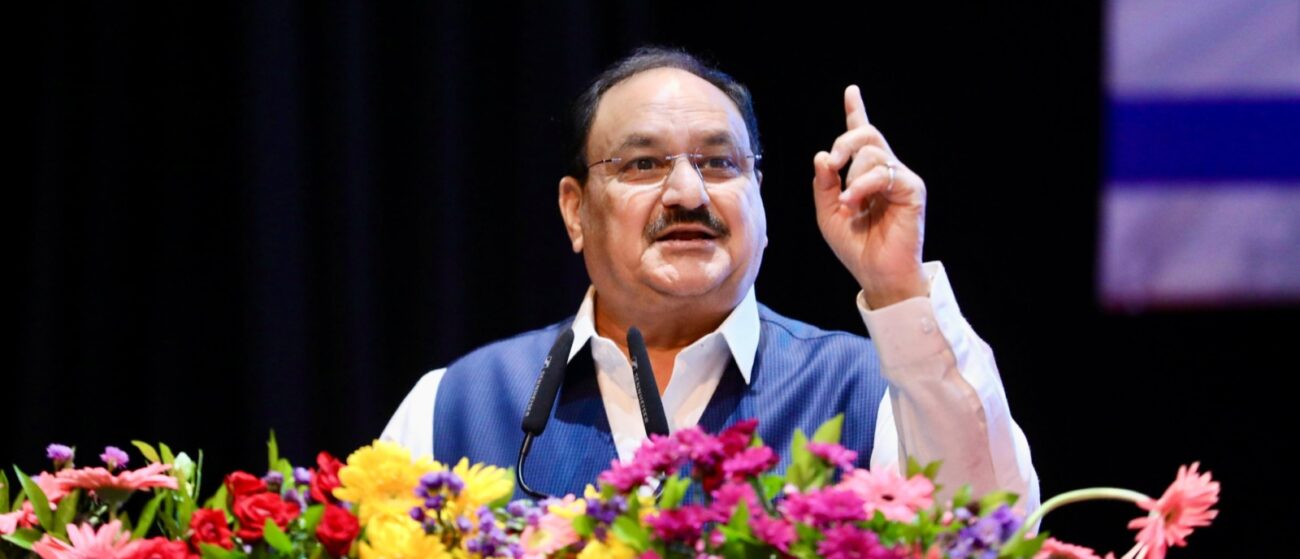
Addressing global delegates at the WHO forum, Jagat Prakash Nadda said India’s approach to AI in healthcare is guided by Prime Minister Narendra Modi’s vision of making Artificial Intelligence a force for public good rather than exclusion. He urged countries and global institutions to adopt human-centric AI frameworks that prioritize patient welfare, transparency, affordability, and universal healthcare access.
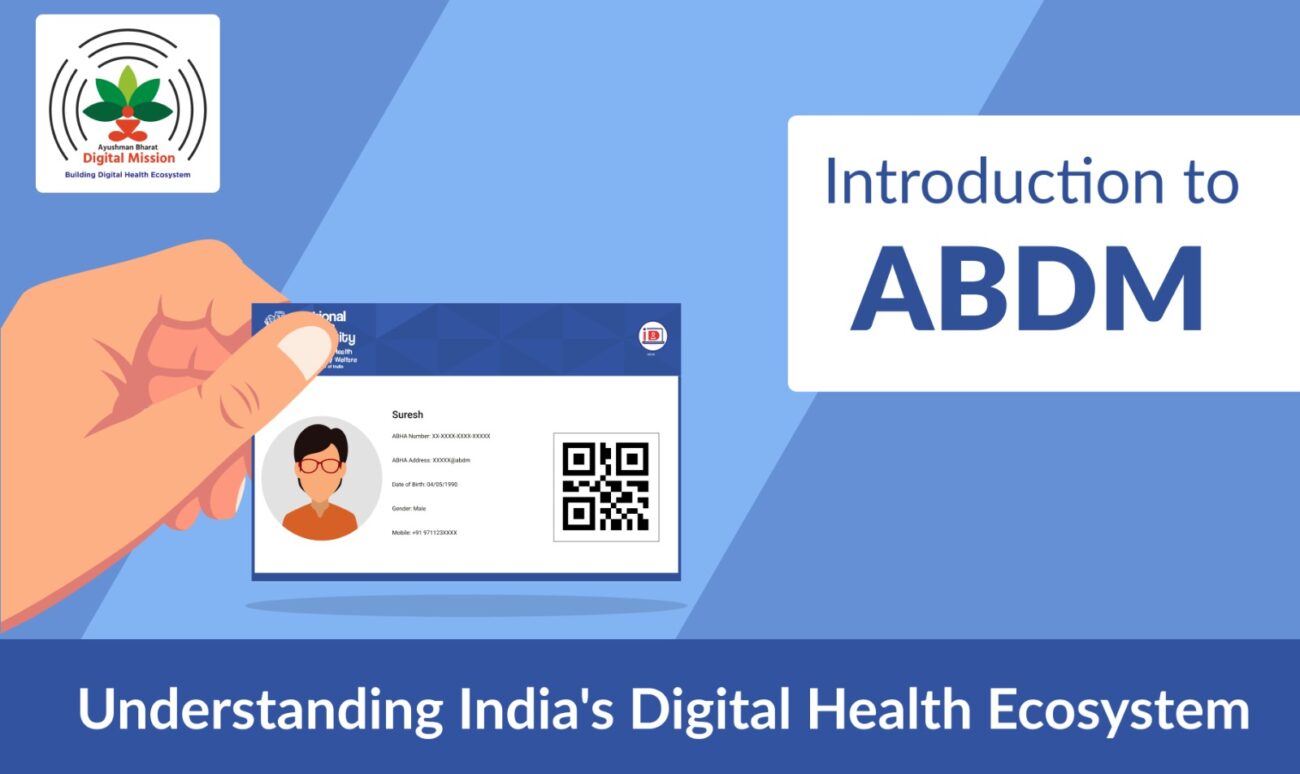
Nadda highlighted that India is rapidly integrating AI across healthcare delivery systems, including disease surveillance, early diagnosis, telemedicine, digital health records, drug discovery, and predictive healthcare analytics. He noted that the country’s digital public health infrastructure, led by the Ayushman Bharat Digital Mission (ABDM), is creating one of the world’s largest interoperable digital healthcare ecosystems.
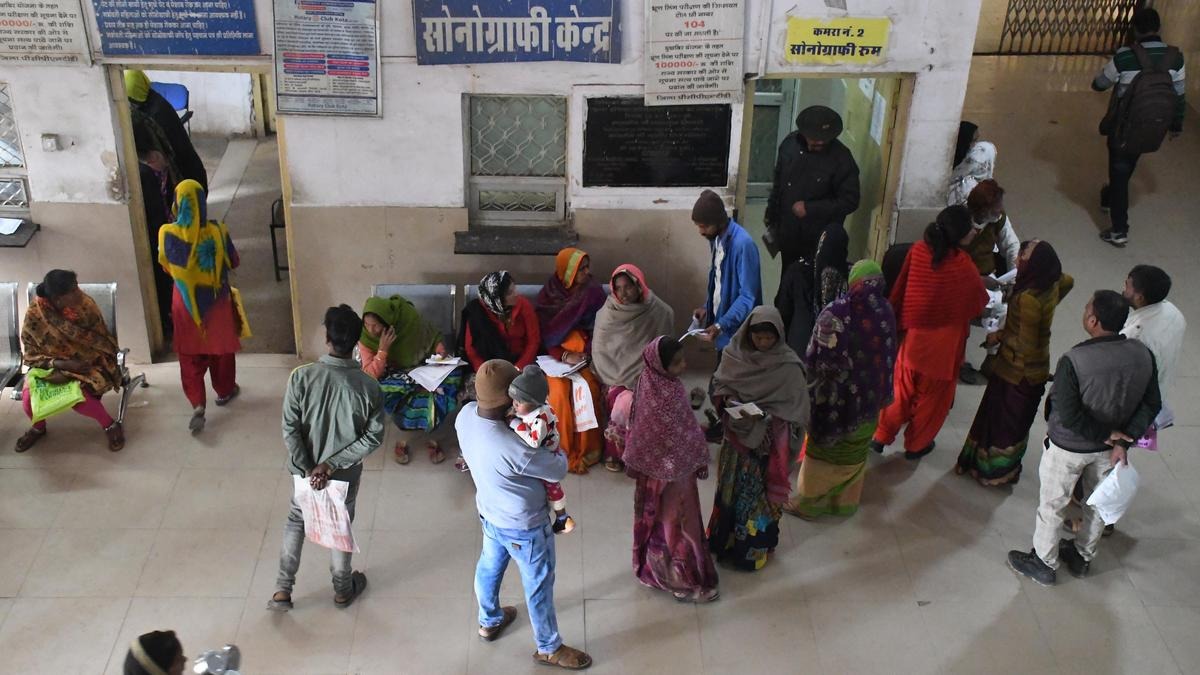
According to government data, more than 600 million Ayushman Bharat Health Accounts (ABHA) have already been created under the ABDM framework, helping improve digital healthcare accessibility and patient data integration across India. Officials believe AI integration can further strengthen healthcare delivery in rural and underserved areas where specialist medical access remains limited.
The Health Minister also stressed the importance of ethical safeguards and responsible AI governance amid growing global concerns around data privacy, algorithmic bias, and healthcare inequality. India called for collaborative international standards that ensure AI technologies remain transparent, inclusive, and accountable while supporting universal health coverage goals.
India’s healthcare AI market is projected to witness significant growth over the coming years, supported by rising digital adoption, expanding health-tech investments, and increasing demand for predictive and personalized healthcare solutions. Industry estimates suggest the country’s AI healthcare market could cross USD 1.5 billion by the end of the decade.
The WHO meeting also focused on leveraging AI for strengthening pandemic preparedness, improving diagnostics, accelerating clinical decision-making, and addressing healthcare workforce shortages globally. India’s intervention positioned the country as a major advocate for equitable and accessible AI-led healthcare innovation in developing economies.
Healthcare experts say India’s emphasis on All-Inclusive Intelligence reflects a broader shift toward balancing technological advancement with ethical responsibility, especially as AI becomes increasingly integrated into global healthcare systems and public health governance.