
Medical Device and Healthcare Associations Urge Govt. of India to Re-examine Draft Drugs, Medical Devices & Cosmetics Bill 2026
In a significant development that could shape the future of India’s medical technology regulatory landscape, eleven leading medical device and healthcare industry associations have jointly urged the Government of India and the Ministry of Health

In a significant development that could shape the future of India’s medical technology regulatory landscape, eleven leading medical device and healthcare industry associations have jointly urged the Government of India and the Ministry of Health & Family Welfare to undertake an urgent re-examination of the Draft Drugs, Medical Devices & Cosmetics Bill, 2026.
In a joint representation submitted to Union Health Minister Shri Jagat Prakash Nadda, the associations have called for a comprehensive review of the draft legislation and reiterated their long-standing demand for a separate Medical Devices Act tailored specifically to the unique nature of the medical technology sector.
The industry bodies argue that medical devices are fundamentally different from pharmaceuticals and cosmetics in terms of design, engineering, innovation cycles, manufacturing processes, post-market surveillance, quality systems and global regulatory requirements. They believe that regulating medical devices under a framework primarily designed for drugs may not adequately address the needs of a rapidly evolving MedTech ecosystem.
The associations have raised concerns over the Bill’s pharma-centric approach, including the use of terminology such as “adulterated” and “spurious”, criminalization of certain technical and compliance-related lapses, and what they describe as expanded enforcement powers. They have also called for risk-proportionate regulation that recognizes the differences between low- and high-risk medical devices.
Another key concern is the absence of a dedicated National Medical Devices Regulatory Authority. The associations have urged the government to establish an independent authority with specialised medical device and engineering expertise, while also seeking predictable approval pathways, efficient licensing mechanisms, proportionate compliance requirements and robust post-market surveillance.
The representation also highlights the need for greater recognition of engineering-specific requirements, including biocompatibility (ISO 10993), usability engineering (IEC 62366) and software lifecycle safety (IEC 62304).
According to the associations, the proposed Bill could have far-reaching implications for patient access, innovation, domestic manufacturing, exports, investment and India’s ambition to become a global medical device manufacturing hub. They have therefore urged the government to undertake wider stakeholder consultations before finalizing the legislation.
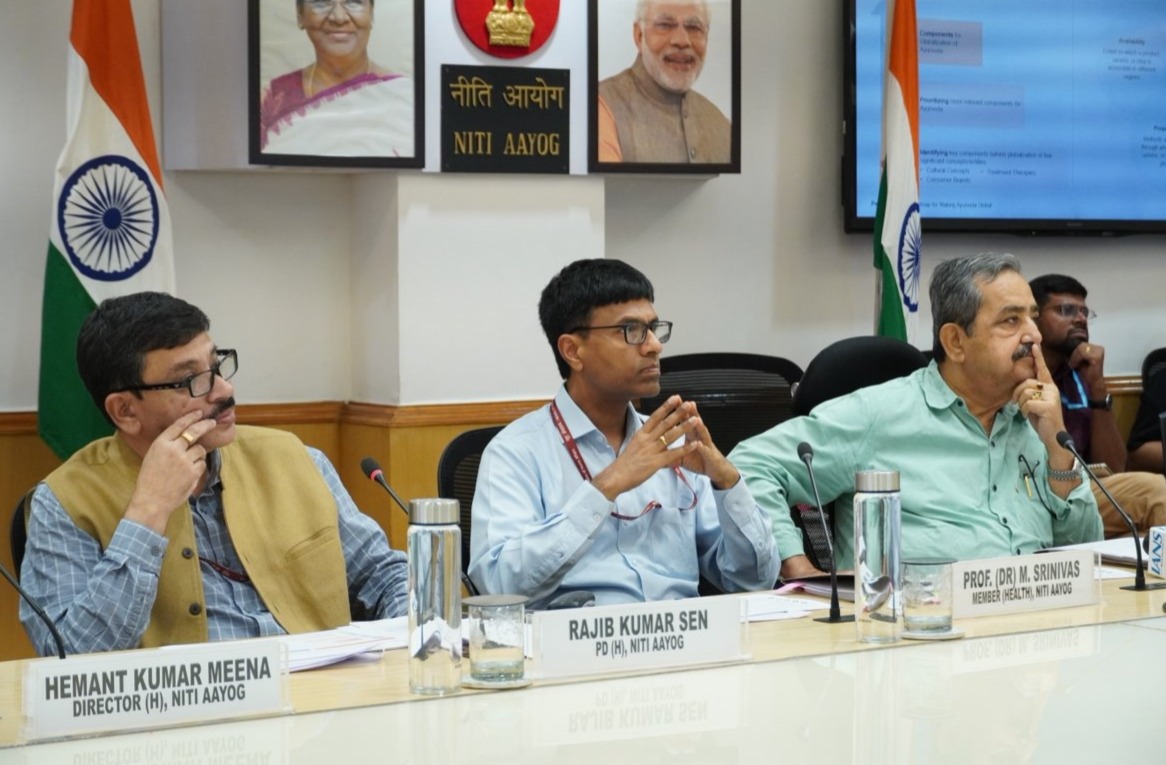
The industry has also pointed to earlier recommendations, including Parliamentary Standing Committee Reports 138 and 146 and NITI Aayog’s Draft Medical Devices Bill, 2019, which supported a dedicated regulatory framework for medical devices. The associations have also referred to WHO principles emphasising risk management, lifecycle safety and shared responsibility.
Prof Bejon Kumar Misra, Founder, Patient Safety and Access Initiative of India Foundation, said,
“Medical devices are engineering products, not pharmaceuticals. India must adopt smarter, risk-proportionate regulation that safeguards patients while fostering innovation. and urge a dedicated Medical Devices Act.”
Puneet Bhasin, President, Surgical Manufacturers & Traders Association (SMTA), said,
“Retaining medical devices under the same law as Drugs will create complex compliance requirements, particularly for MSMEs, potentially hurting competition, innovation and increasing healthcare costs. We urge the Government to establish a separate Act with an independent regulator,”
The associations have requested the constitution of a new expert committee with engineering, biomedical, clinical and patient-safety representation, enactment of a separate Medical Devices Act aligned with EU MDR, US FDA, IMDRF and NITI Aayog’s 2019 draft, decriminalization of non-mens rea offences, establishment of a dedicated regulatory authority and structured stakeholder consultation.
The associations have expressed hope that stakeholder consultation will be initiated by the Ministry of Health & Family Welfare, as they state was assured by Minister Nadda when they sought a meeting and by the Secretary, MoH&FW, during the recent Indian Medical Devices Conference.
Rajiv Nath, Forum Coordinator, AiMeD said, “India’s medical devices sector cannot be shackled by a pharma-centric law. Eleven national associations, backed by earlier recommendations from Parliamentary Committees, NITI Aayog, and WHO principles, urge the government to enact a standalone Medical Devices Act. Without this, India risks discouraging investment, innovation, and patient safety, undermining Make in India and Atmanirbhar Bharat.”
Industry leaders maintain that a modern, risk-based and internationally aligned regulatory framework will be essential for India to strengthen domestic manufacturing, reduce import dependency, encourage investment and expand its presence in the global MedTech value chain.
MedGate Today will continue to closely monitor developments related to the Draft Drugs, Medical Devices & Cosmetics Bill, 2026 and bring updates from policymakers, regulators, industry associations, manufacturers and healthcare leaders.
– MedGate Today News Bureau