

Ayushman Bharat Digital Health Data Could Transform Healthcare in India and Global South: Dr M. Srinivas
India’s digital health ecosystem could become a major driver of healthcare innovation across the Global South, with data generated through the Ayushman Bharat Digital Mission (ABDM) offering opportunities to strengthen artificial intelligence (AI), medical research

India’s digital health ecosystem could become a major driver of healthcare innovation across the Global South, with data generated through the Ayushman Bharat Digital Mission (ABDM) offering opportunities to strengthen artificial intelligence (AI), medical research and evidence-based healthcare planning.
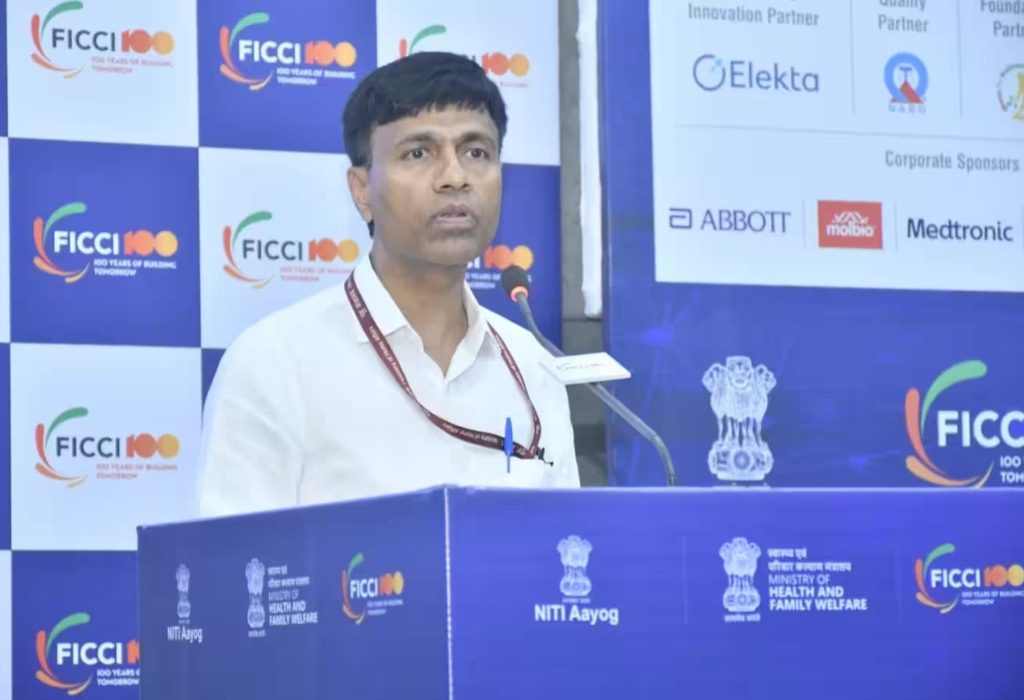
Speaking at the 20th edition of FICCI Heal 2026, Dr M. Srinivas, Member of NITI Aayog, highlighted the potential of India’s expanding digital health infrastructure to support new healthcare solutions, improve information accessibility and enable more informed clinical and policy decisions.
A key component of this ecosystem is the Ayushman Bharat Health Account (ABHA), which provides individuals with a digital health identity and supports the linking and sharing of health records with appropriate consent. Greater interoperability between healthcare providers could help create more connected patient journeys while supporting research and population-level health analysis.
Structured digital health data could also strengthen AI applications in healthcare, including clinical decision support, disease surveillance, risk assessment and resource planning. For countries across the Global South facing similar challenges in affordability, access and healthcare capacity, India’s experience in developing population-scale digital public infrastructure could offer valuable lessons.
The discussions also highlighted the importance of maintaining consistent quality and patient-safety standards across hospitals. Digital transformation alone cannot address the healthcare system’s challenges unless it is accompanied by reliable clinical services, qualified professionals and effective oversight.
Dr. Srinivas also emphasised the need for private healthcare providers to expand affordable services in Tier-II and Tier-III cities, where access to specialised treatment and advanced medical facilities can remain uneven. Greater geographical distribution of healthcare services could help reduce pressure on major urban hospitals and improve access for underserved populations.
The wider adoption of digital health systems will depend on interoperability, data quality, patient consent, privacy safeguards and responsible use of health information. AI-driven applications must also be clinically validated before being integrated into patient care.
The discussion at FICCI Heal 2026 reinforces the growing role of digital infrastructure in India’s healthcare development. By combining connected health records with quality standards, affordable services and responsible AI adoption, India could strengthen healthcare delivery at home while contributing to digital health innovation across emerging economies.