
Digital Health Records in Cancer Care: Connecting Screening with Treatment in India
Healthcare News Cancer care is not limited to identifying a disease or starting treatment. It is a long journey that involves screening, diagnosis, medical consultations, surgery, chemotherapy, radiation therapy and regular follow-up. At every stage,


Cancer care is not limited to identifying a disease or starting treatment. It is a long journey that involves screening, diagnosis, medical consultations, surgery, chemotherapy, radiation therapy and regular follow-up. At every stage, doctors need accurate information about a patient’s medical history to make informed decisions. However, when medical records are scattered across hospitals, diagnostic centres and laboratories, maintaining continuity of treatment can become difficult.
This is where digital health records in cancer care can make a meaningful difference. By bringing medical information into a more connected digital environment, healthcare providers can improve access to patient histories, reduce unnecessary repetition of investigations and support better coordination between different specialists.
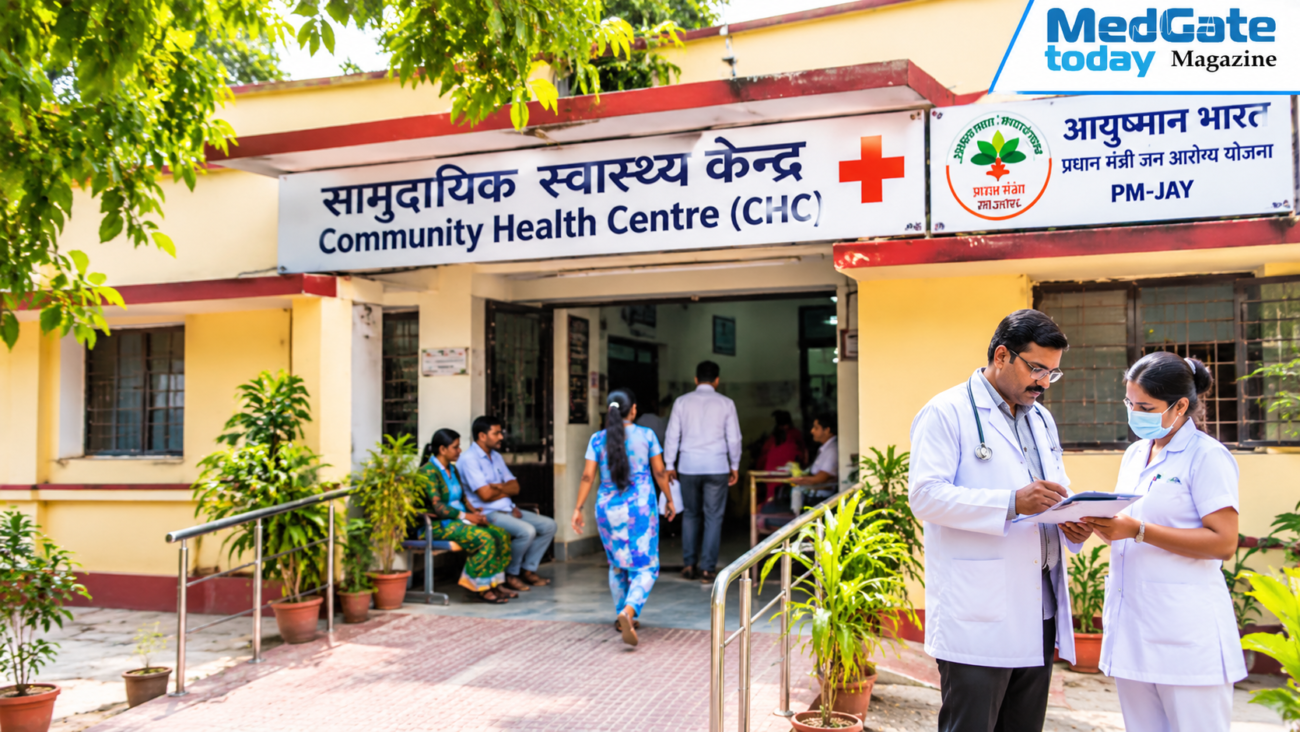
In India, initiatives such as the National Cancer Grid (NCG), NCG VISHWAS and the Ayushman Bharat Digital Mission (ABDM), which supports ABHA health records, are part of a wider movement towards connected healthcare.
The growing adoption of digital technologies is creating opportunities to connect cancer screening with diagnosis, treatment and long-term patient monitoring. But how can these systems improve cancer care in India, and what challenges need to be addressed?
Why Digital Health Records Matter in Cancer Care
Cancer treatment often involves multiple healthcare professionals working together. A patient may undergo screening at one centre, receive a biopsy at another facility and continue treatment at a specialised cancer hospital.
When medical information is not easily accessible, doctors may have to depend on physical reports, repeated tests or information provided by patients and their families.
Digital health records can help address this challenge by making relevant medical information easier to organise, retrieve and share with appropriate consent.
For example, a patient’s digital record may include previous diagnostic reports, pathology findings, imaging results, treatment history, prescribed medicines and follow-up recommendations.
Having this information available can help specialists understand the patient’s medical journey before recommending the next step.
The importance of digital health records in cancer care goes beyond convenience. They can support better clinical coordination, improve documentation and help reduce gaps between different stages of treatment.
Connecting Cancer Screening in India with Timely Treatment
Early detection is an important part of improving cancer outcomes. However, screening alone is not enough. Patients must also be able to access timely diagnostic confirmation, specialist consultations and appropriate treatment.
In India, cancer screening programmes aim to identify certain cancers at an earlier stage, particularly breast, cervical and oral cancers. Community-level screening and primary healthcare facilities play an important role in identifying people who may need further investigation.
One of the challenges is ensuring that patients who receive an abnormal screening result successfully reach the next stage of care.
For instance, a woman identified with a suspicious finding during breast screening may require further imaging, a specialist consultation and a biopsy. If these steps take place at different facilities without proper coordination, important information may be delayed or lost.
Digital health records can help create a more organised pathway.
From Screening to Diagnosis
When screening information is documented digitally, authorised healthcare professionals may be able to access relevant findings and understand which patients require additional evaluation.
This can help healthcare teams track referrals, record diagnostic outcomes and identify cases where further consultation is needed.
From Diagnosis to Treatment
Once cancer is confirmed, doctors require detailed information about the patient’s condition. Pathology reports, imaging findings, staging details and previous medical conditions can influence treatment decisions.
A connected digital record can make this information easier to review, provided that records are accurate, interoperable and accessible with appropriate permissions.
Supporting Follow-Up Care
Cancer care continues even after the completion of primary treatment. Patients may require regular scans, consultations, medication reviews and monitoring for recurrence or treatment-related complications.
Digital documentation can support continuity of cancer care by helping healthcare teams maintain a clearer record of follow-up schedules and previous clinical decisions.
NCG VISHWAS: Supporting a More Connected Cancer Care Ecosystem
The National Cancer Grid (NCG) has an important role in strengthening cancer care across India by bringing together cancer hospitals, research institutions and healthcare professionals.
Its broader objective is to encourage collaboration, improve standards of cancer treatment and make quality cancer care more accessible.
Within this evolving digital healthcare landscape, NCG VISHWAS is relevant to discussions around connecting cancer services and improving the organisation of patient information.
The larger opportunity lies in making cancer-related information more useful across different stages of the patient journey.
For example, a patient initially screened at a participating healthcare facility may eventually require specialist treatment at a larger cancer centre. Better digital coordination can help ensure that relevant screening and diagnostic information is available when needed.
This approach can reduce dependence on physical paperwork and help healthcare professionals make decisions with a more complete understanding of the patient’s history.
However, digital systems must work alongside established clinical protocols. Technology cannot replace pathology confirmation, specialist assessment or evidence-based treatment decisions.
The success of such initiatives will depend on effective implementation, reliable data exchange, institutional participation and protection of patient information.
ABHA Health Records and Their Role in Digital Oncology
The Ayushman Bharat Digital Mission (ABDM) is an important step towards building India’s connected digital healthcare infrastructure.
One of its key components is the Ayushman Bharat Health Account (ABHA), which provides individuals with a digital health account that can support the linking and sharing of health records through the ABDM ecosystem.
ABHA health records can become particularly useful in areas such as oncology, where patients often receive services from multiple healthcare providers.
Consider a patient who undergoes an initial consultation at a hospital in Delhi, receives diagnostic investigations at another centre and later travels to a specialised cancer institute for treatment.
If the participating facilities use compatible digital systems and the patient provides the necessary consent, relevant health information can be shared through the ABDM framework.
This can help reduce the need to repeatedly collect the same medical information.
How ABHA Can Support Cancer Patients
ABHA can contribute to a more organised healthcare experience in several ways.
First, it can help individuals link their health records across participating healthcare facilities. Second, it supports consent-based sharing of information, allowing patients to have greater control over how their health information is accessed. Third, it can support the exchange of digital health information between compatible systems.
For cancer patients, this may include relevant prescriptions, diagnostic reports, discharge summaries and other clinical documents.
It is important to understand that creating an ABHA number does not automatically place every medical record in one central database. Records need to be generated, linked and shared through participating systems in accordance with the applicable ABDM framework and patient consent.
Digital Oncology: How Technology Is Changing Cancer Treatment
Digital oncology is gradually becoming an important part of modern cancer care. It involves the use of digital platforms, connected medical systems, data analytics and other technologies to support cancer diagnosis, treatment planning and patient monitoring.
While digital health records provide the information foundation, other technologies can help healthcare professionals use that information more effectively.
Better Coordination Between Specialists
Cancer treatment frequently requires a multidisciplinary team that may include oncologists, radiologists, pathologists, surgeons and other specialists.
Digital access to relevant reports can support discussions between these professionals and help them review a patient’s clinical history before making treatment recommendations.
Artificial Intelligence and Diagnostic Support
Artificial intelligence is increasingly being explored in medical imaging, pathology and cancer research.
AI-based tools can assist trained professionals in identifying suspicious patterns in medical images, organising large datasets and supporting certain diagnostic workflows.
However, these technologies are not substitutes for qualified medical professionals. Clinical decisions must continue to rely on appropriate investigations, medical expertise and established guidelines.
Remote Monitoring and Patient Follow-Up
Digital platforms can also support communication between patients and healthcare providers after treatment.
Teleconsultations, electronic prescriptions and digital follow-up systems may help patients living in smaller towns and rural areas remain connected with specialists.
This is particularly relevant in India, where patients sometimes travel considerable distances to access specialised cancer treatment.
Challenges in Implementing Digital Health Records Across India
Despite their potential, digital health records in cancer care face several practical challenges.
One major concern is the uneven adoption of digital systems across healthcare facilities. Large hospitals may have advanced hospital information systems, while smaller facilities may still depend heavily on paper-based documentation.
Interoperability is another important issue. Different hospitals and diagnostic centres may use different software platforms, making it difficult to exchange information consistently.
Data quality also matters. Incomplete records, incorrect patient details or missing diagnostic information can affect the usefulness of digital systems.
Privacy and cybersecurity require equal attention. Cancer records contain sensitive personal and medical information. Healthcare organisations must follow applicable data protection requirements, implement appropriate access controls and ensure that patient information is shared securely.
Digital literacy is another consideration. Patients and healthcare workers need guidance on using digital health platforms effectively, especially in areas where access to smartphones, internet connectivity or digital services may be limited.
Addressing these challenges will require collaboration between government agencies, hospitals, technology providers, doctors and patients.
The Future of Digital Health Records in Cancer Care in India
India’s digital healthcare ecosystem is developing rapidly, and cancer care is an important area where better information management could create long-term benefits.
The combination of cancer-specific healthcare networks, ABHA health records and interoperable digital systems offers an opportunity to connect different parts of the patient journey.
In the coming years, greater integration between screening programmes, diagnostic laboratories, hospitals and cancer registries could help healthcare professionals access more complete information and improve coordination.
Digital systems may also support better tracking of treatment outcomes, follow-up requirements and patient care pathways.
However, the real measure of success will not be the number of digital platforms introduced. It will be whether these systems make healthcare more accessible, improve coordination and help patients receive the right care at the right time.
For India, the next important step is to ensure that digital innovation reaches beyond major metropolitan hospitals and becomes useful for patients in smaller cities, towns and rural communities as well.
Frequently Asked Questions (FAQs)
1. What are digital health records in cancer care?
Digital health records in cancer care are electronic records that organise a patient’s medical information, including diagnostic reports, pathology results, prescriptions, treatment history and follow-up details. They help authorised healthcare professionals access relevant information and coordinate treatment.
2. How can ABHA health records help cancer patients?
ABHA supports the linking and consent-based sharing of digital health records across participating healthcare providers. This can help cancer patients make relevant medical information available when consulting different hospitals and specialists.
3. What is the role of NCG VISHWAS in cancer care?
NCG VISHWAS is relevant to India’s evolving efforts towards connected cancer services and improved healthcare coordination. Its significance should be understood in the context of the National Cancer Grid’s wider work to strengthen cancer care through collaboration and digital healthcare initiatives.
4. Can digital health records improve early cancer detection?
Digital records can support the documentation of screening results, referrals and diagnostic investigations. They may help healthcare teams track patients who require further evaluation. However, early detection still depends on appropriate screening, clinical assessment and timely diagnostic confirmation.
5. Are digital health records safe for cancer patients?
Digital health records can be managed securely through appropriate privacy safeguards, access controls, encryption and consent mechanisms. Healthcare providers must follow applicable data protection laws and ensure that sensitive patient information is handled responsibly.
Conclusion: Building a Connected Future for Cancer Care in India
The future of cancer treatment will depend not only on advanced medicines, specialised hospitals and innovative diagnostic technologies but also on how effectively healthcare information moves between different stages of treatment.
Digital health records in cancer care can help connect screening, diagnosis, treatment and long-term monitoring through better information management and coordination.
Initiatives such as NCG VISHWAS and ABHA health records represent important areas of India’s wider digital healthcare transformation. Their potential lies in making relevant medical information more accessible while maintaining patient privacy and control.
As India continues to strengthen its digital healthcare infrastructure, greater collaboration between cancer centres, diagnostic facilities, government institutions and technology providers will be essential.
For patients, the ultimate goal is simple: fewer gaps in treatment, better coordination between doctors and a more connected cancer care journey.
Disclaimer: This article is intended solely for general information and awareness and does not constitute professional advice, recommendation or endorsement; MedGate Today assumes no liability for decisions made based on its contents.