
AIIMS Study Finds Air Pollution Can Damage Placenta, Restrict Fetal Growth and Impact Babies Before Birth
A groundbreaking study by researchers at the All India Institute of Medical Sciences (AIIMS), New Delhi, has revealed that exposure to air pollution during pregnancy may significantly damage the placenta, restrict fetal growth, and increase

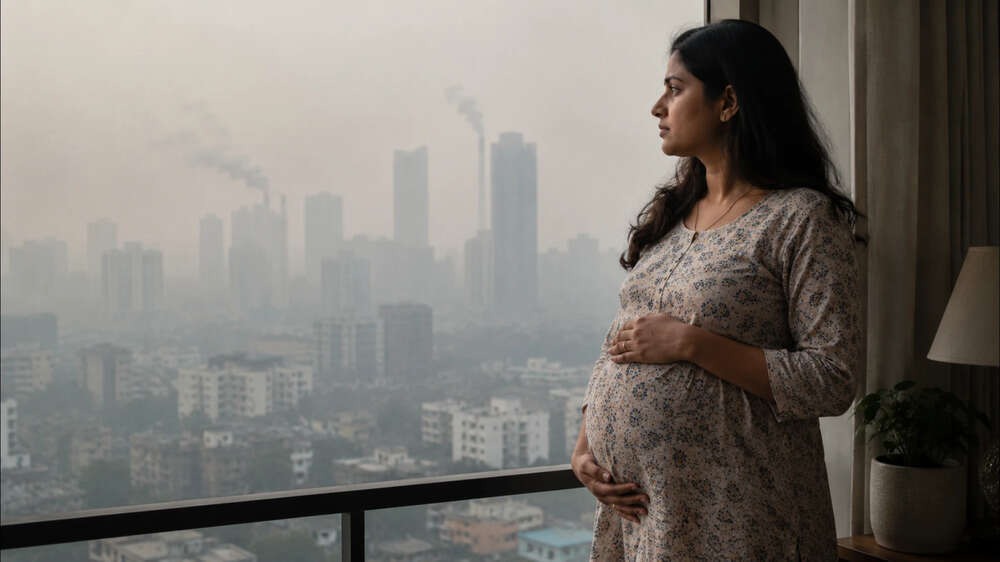
A groundbreaking study by researchers at the All India Institute of Medical Sciences (AIIMS), New Delhi, has revealed that exposure to air pollution during pregnancy may significantly damage the placenta, restrict fetal growth, and increase the risk of adverse pregnancy outcomes, highlighting another serious health consequence of India’s worsening air quality.
The research found that pollutants can alter the structure and function of the placenta the critical organ responsible for supplying oxygen and nutrients to the developing fetus. Scientists identified the presence of toxic metals and pollution related particles within placental tissue, providing direct evidence of environmental contaminants reaching the maternal fetal interface.
According to the study, exposure to polluted air was associated with impaired placental function, reduced fetal growth, and a higher likelihood of pregnancy complications such as preeclampsia, low birth weight, and developmental abnormalities. Researchers also identified suppression of a key gene involved in placental health and fetal development, suggesting that pollution may influence biological pathways essential for healthy pregnancy outcomes.
Healthcare experts warn that low birth weight remains a significant public health challenge. According to estimates from global health agencies, infants born with low birth weight face a greater risk of neonatal complications, developmental delays, chronic diseases, and long term health issues later in life.
The findings add to growing evidence linking air pollution with adverse maternal and child health outcomes. WHO estimates that air pollution contributes to approximately 7 million premature deaths annually worldwide, while pregnant women and children are among the most vulnerable populations.
Researchers believe the study offers critical insights into how environmental exposures can influence fetal development even before birth. By demonstrating direct biological changes within placental tissue, the findings strengthen concerns about the impact of air quality on future generations.
Public health specialists emphasize that reducing exposure to air pollution during pregnancy should become an important component of maternal healthcare strategies. Measures such as improving air quality, minimizing exposure to heavily polluted environments, using air filtration where feasible, and strengthening environmental health policies could help mitigate risks.
The AIIMS study underscores the need for greater attention to environmental determinants of health as India continues to confront air pollution challenges. Experts say the findings may help guide future policies aimed at protecting maternal health, improving birth outcomes, and reducing the long term health burden associated with pollution exposure.
As evidence continues to emerge, researchers stress that clean air is not only an environmental priority but also a critical factor in safeguarding the health of mothers and future generations.