
Chemotherapy Drug Shortage Disrupts Cancer Care Across India, Raising Concerns Over Treatment Delays
A growing shortage of critical chemotherapy medicines is beginning to impact cancer treatment across India, with hospitals reporting dwindling inventories and patients struggling to access life-saving drugs. Oncologists and healthcare providers have warned that prolonged

A growing shortage of critical chemotherapy medicines is beginning to impact cancer treatment across India, with hospitals reporting dwindling inventories and patients struggling to access life-saving drugs. Oncologists and healthcare providers have warned that prolonged supply disruptions could affect treatment schedules and potentially compromise outcomes for thousands of cancer patients.
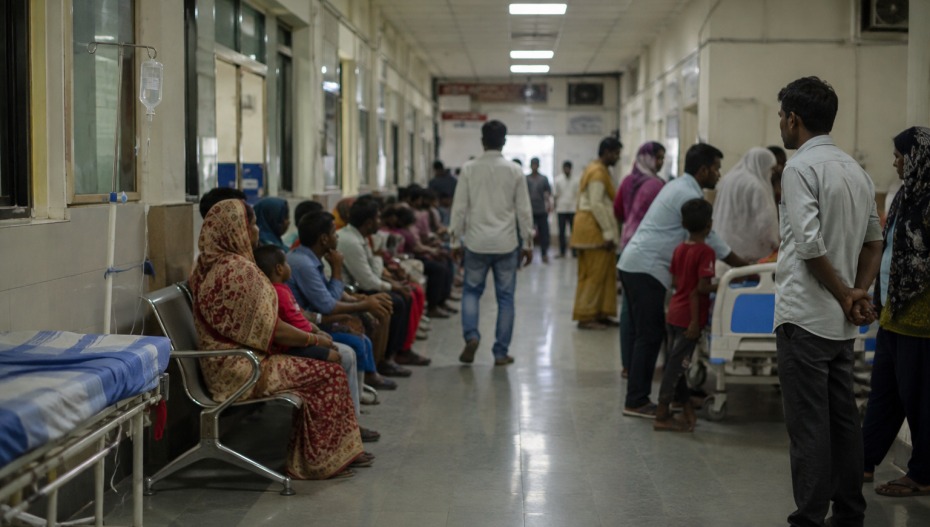
Several hospitals across the country have reported shortages of key chemotherapy agents, including platinum-based drugs commonly used to treat cancers of the lung, ovary, head and neck, bladder, and testes. As stocks decline, patients and their families are increasingly being forced to search across multiple pharmacies, distributors, and healthcare facilities to secure essential medicines required for ongoing treatment.
Healthcare experts note that uninterrupted chemotherapy is critical for achieving optimal treatment outcomes. Delays in treatment cycles can reduce therapeutic effectiveness, increase disease progression risks, and create additional emotional and financial burdens for patients and caregivers.
Industry sources attribute the supply crisis to a combination of factors, including shortages of Active Pharmaceutical Ingredients (APIs), rising manufacturing costs, global supply chain disruptions, and logistical challenges affecting the availability of certain oncology drugs. The situation has drawn concern from oncologists who are urging stakeholders to take swift action to stabilize supplies.
Cancer remains one of India’s most significant public health challenges. According to estimates from the World Health Organization (WHO), cancer accounts for millions of new diagnoses globally each year, while India continues to witness a rising cancer burden driven by population growth, aging, and lifestyle related risk factors.
Healthcare providers have called for stronger coordination among manufacturers, distributors, regulators, and healthcare institutions to ensure uninterrupted access to essential oncology medicines. Experts also stress the importance of maintaining strategic drug reserves and strengthening domestic pharmaceutical supply chains to reduce vulnerability to future shortages.
Patient advocacy groups have expressed concern that the shortage may disproportionately affect economically vulnerable patients, who often have limited resources to seek medicines from multiple sources or travel long distances for treatment.
The ongoing supply challenges highlight the critical importance of resilient pharmaceutical infrastructure in supporting cancer care delivery. As healthcare stakeholders work to address the shortage, ensuring timely access to chemotherapy drugs remains a top priority for protecting patient outcomes and maintaining continuity of care.
Healthcare experts emphasize that long term solutions will require coordinated policy measures, supply chain strengthening, and enhanced manufacturing capacity to safeguard access to essential cancer therapies across the country.