

Common Kitchen Spices May Boost Gut, Brain and Metabolic Health, Emerging Research Suggests
From turmeric and cinnamon to black pepper and oregano, everyday kitchen spices may offer health benefits that extend far beyond enhancing flavor, according to emerging research exploring their impact on gut health, brain function, metabolism,

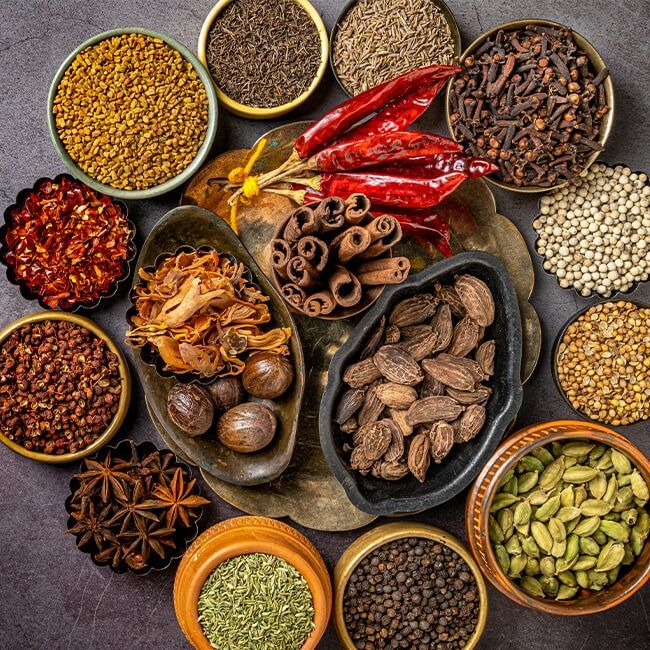
From turmeric and cinnamon to black pepper and oregano, everyday kitchen spices may offer health benefits that extend far beyond enhancing flavor, according to emerging research exploring their impact on gut health, brain function, metabolism, and inflammation.
Researchers say bioactive compounds naturally present in many spices could influence key biological processes linked to chronic diseases. Studies suggest that regular consumption of certain spices may help regulate blood sugar levels, support a healthy gut microbiome, reduce inflammation, and contribute to better cognitive health.
Among the most widely studied spices is turmeric, which contains curcumin, a compound known for its anti inflammatory and antioxidant properties. Cinnamon has been associated with improved glucose metabolism and blood sugar control, while black pepper contains piperine, which may enhance the absorption of nutrients and other beneficial compounds. Oregano, meanwhile, is rich in antioxidants and plant based compounds that support immune and digestive health.
Scientists are increasingly focusing on the connection between the gut microbiome and overall health. Research suggests that dietary components, including herbs and spices, can influence the diversity and activity of beneficial gut bacteria. A healthier gut microbiome has been linked to improved digestion, stronger immunity, better metabolic function, and even positive effects on mental wellbeing through the gut brain axis.
The findings are particularly relevant as metabolic disorders continue to rise globally. According to the World Health Organization, more than 830 million people worldwide live with diabetes, while obesity and other metabolic conditions remain major public health concerns.
Healthcare experts caution that spices should not be viewed as standalone treatments for disease. However, incorporating them into a balanced diet rich in fruits, vegetables, whole grains, and healthy fats may contribute to overall health and disease prevention.
Nutrition specialists note that the greatest benefits are likely to come from consistent dietary patterns rather than any single ingredient. While further clinical research is needed to fully understand the mechanisms involved, the growing body of evidence highlights how simple dietary choices including the spices used in everyday cooking-may play an important role in supporting long term health.
As interest in food based approaches to wellness grows, researchers continue to explore how traditional culinary ingredients could contribute to modern preventive healthcare strategies.