

France Reports Nearly 1,000 Excess Deaths as Record Breaking Heatwave Sweeps Across Europe
France has recorded approximately 1,000 additional deaths linked to the recent extreme heatwave that swept across Europe, highlighting the growing public health impact of climate change and rising temperatures. The unprecedented heat event shattered temperature

France has recorded approximately 1,000 additional deaths linked to the recent extreme heatwave that swept across Europe, highlighting the growing public health impact of climate change and rising temperatures. The unprecedented heat event shattered temperature records across several European countries, triggered wildfires in Germany and prompted emergency measures in major cities, including Berlin.
According to French health authorities, the excess mortality figures are associated with prolonged exposure to extreme temperatures, particularly among vulnerable populations such as older adults, people with chronic illnesses and those with limited access to cooling facilities. The heatwave has renewed concerns about the increasing frequency and severity of climate related health emergencies across Europe.
Several countries recorded all time or seasonal temperature highs over the weekend, while dry weather conditions contributed to the outbreak of wildfires in parts of Germany. In Berlin, authorities deployed water cannons to cool crowds and public spaces as temperatures soared and heat related health risks intensified.
The World Health Organization (WHO) has identified extreme heat as one of the leading causes of weather related mortality globally. Research published in recent years estimated that Europe experienced more than 60,000 heat related deaths in 2022 alone, underscoring the growing burden of heat related illnesses and fatalities.
Medical experts warn that extreme heat can lead to dehydration, heat exhaustion, heat stroke and worsening of cardiovascular, respiratory and kidney diseases. Vulnerable groups, including elderly individuals, infants, outdoor workers and those with pre existing medical conditions, remain at the highest risk during prolonged heat events.
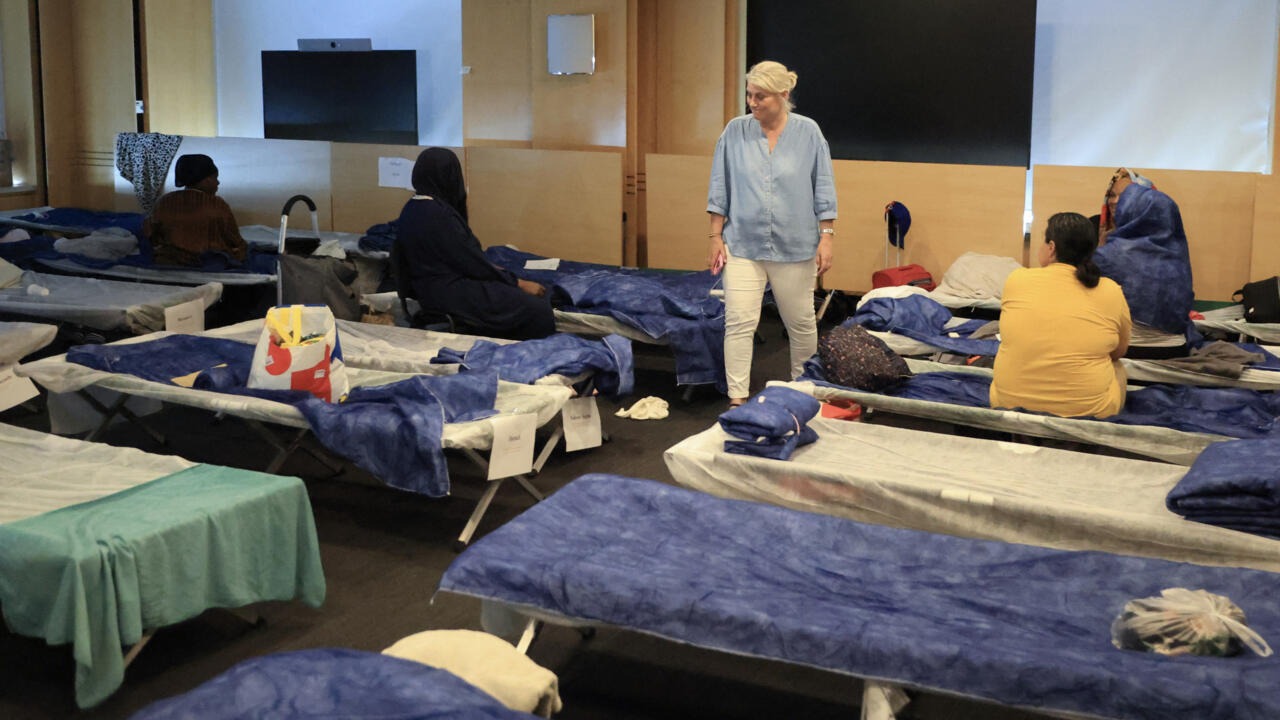
Public health authorities across Europe have issued advisories urging citizens to stay hydrated, avoid outdoor activities during peak temperatures and monitor high risk individuals. Governments have also activated emergency response measures, including cooling centres and enhanced healthcare preparedness.
Climate scientists and health experts have emphasized that rising global temperatures are increasing the likelihood of severe heatwaves, placing additional pressure on healthcare systems and emergency services. They have called for stronger climate adaptation strategies, improved early warning systems and enhanced public health infrastructure to mitigate the impact of future heat related emergencies.
The latest heatwave serves as a stark reminder of the growing intersection between climate change and public health and highlights the urgent need for coordinated action to protect vulnerable populations from the escalating risks of extreme weather events.