
How Much Protein Do You Really Need to Build Muscle? Experts Explain the Science Behind Muscle Growth
Protein has long been considered the cornerstone of muscle building, but questions remain about how much is actually needed to maximize muscle growth. While strength training provides the stimulus for muscle development, nutrition experts say

Protein has long been considered the cornerstone of muscle building, but questions remain about how much is actually needed to maximize muscle growth. While strength training provides the stimulus for muscle development, nutrition experts say adequate protein intake is equally important for muscle repair, recovery, and long term gains.
Recent research suggests that most healthy adults looking to build or maintain muscle mass require more protein than the basic daily recommendations designed to prevent deficiency. Current evidence indicates that individuals engaged in regular resistance training may benefit from consuming approximately 1.4 to 2.0 grams of protein per kilogram of body weight per day to support muscle protein synthesis and recovery.
For example, a person weighing 70 kilograms may require between 98 and 140 grams of protein daily, depending on training intensity, age, body composition goals, and overall health status.
Protein provides amino acids, the building blocks the body uses to repair and grow muscle tissue following exercise. Experts note that muscle growth occurs when muscle protein synthesis exceeds muscle protein breakdown, making both training and nutrition essential components of the process.
Research also suggests that spreading protein intake evenly throughout the day may be more effective than consuming most protein in a single meal. Many sports nutrition specialists recommend including high quality protein sources at each meal to support continuous muscle recovery and growth.
The topic is gaining increasing attention as more people focus on fitness, healthy ageing, and body composition. According to global health estimates, maintaining muscle mass is important not only for athletic performance but also for metabolic health, physical function, and reducing age related muscle loss known as sarcopenia.
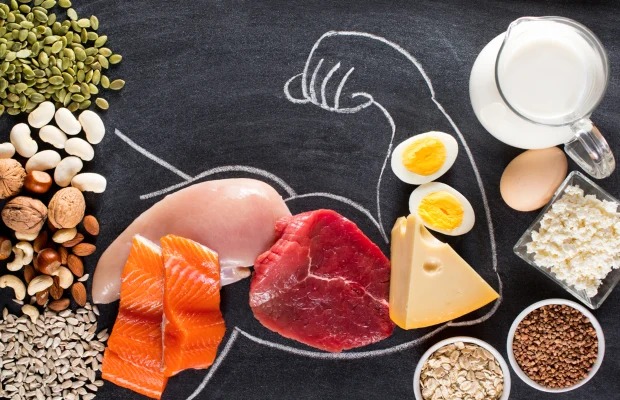
Good protein sources include eggs, dairy products, fish, poultry, lean meat, soy products, legumes, nuts, and seeds. Healthcare professionals emphasize that total dietary quality, adequate calorie intake, sleep, and consistent strength training are equally important for achieving muscle building goals.
Experts caution that consuming excessive amounts of protein beyond individual requirements is unlikely to produce additional muscle gains. Instead, a balanced approach combining regular resistance exercise with adequate protein intake appears to offer the greatest benefits.
As research continues to evolve, one message remains clear: building muscle requires more than just lifting weights it also depends on providing the body with the nutrients it needs to recover, adapt, and grow stronger over time.