
Can Peppermint Oil Help Lower Blood Pressure? New Study Explores Potential Benefits for Hypertension
A new study has suggested that peppermint oil may have potential benefits in helping regulate blood pressure, sparking interest among researchers exploring natural approaches to cardiovascular health. While the findings are promising, experts caution that

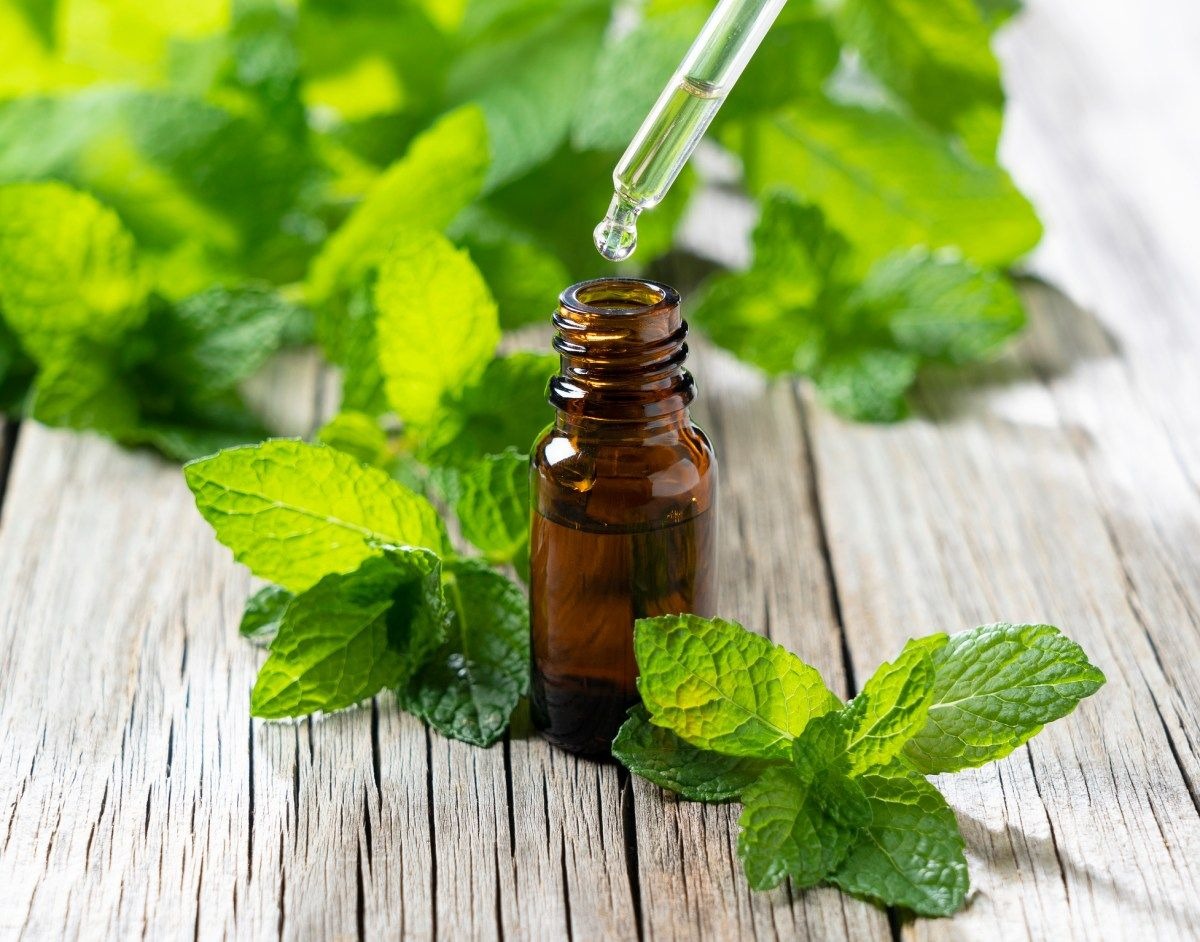
A new study has suggested that peppermint oil may have potential benefits in helping regulate blood pressure, sparking interest among researchers exploring natural approaches to cardiovascular health. While the findings are promising, experts caution that peppermint oil should not be viewed as a replacement for prescribed hypertension medications or medical treatment.
Hypertension, commonly known as high blood pressure, affects an estimated 1.28 billion adults worldwide, according to the WHO. Often referred to as a “silent killer,” uncontrolled hypertension significantly increases the risk of heart attack, stroke, kidney disease, and other cardiovascular complications.
The study found that compounds present in peppermint oil may help relax blood vessels, improve blood flow, and influence mechanisms involved in blood pressure regulation. Researchers believe the oil’s antioxidant and anti inflammatory properties could also contribute to cardiovascular health. However, the findings are preliminary and require further human clinical trials before definitive conclusions can be drawn.
Healthcare experts note that natural remedies and dietary interventions are increasingly being studied as complementary approaches to managing hypertension. However, evidence supporting their effectiveness varies, and patients should consult healthcare professionals before making changes to their treatment plans.
According to global health estimates, nearly half of adults living with hypertension are unaware they have the condition. In India, hypertension remains one of the leading risk factors for cardiovascular disease, contributing significantly to premature deaths and healthcare burden.
Doctors continue to emphasize that proven lifestyle measures remain the cornerstone of blood pressure management. These include reducing salt intake, maintaining a healthy weight, engaging in regular physical activity, managing stress, avoiding tobacco, limiting alcohol consumption, and following a heart healthy diet rich in fruits, vegetables, and whole grains.
Researchers say the latest findings add to growing interest in plant based compounds and their potential role in preventive healthcare. While peppermint oil may emerge as a supportive option in the future, experts stress that more large scale studies are needed to establish its safety, dosage, and long term effectiveness in hypertension management.
For now, healthcare professionals advise patients to continue prescribed treatment and view natural supplements as complementary not substitute approaches to cardiovascular care.