

Natural Dairy Trans Fats Not Linked to Higher Risk of Heart Disease or Diabetes, Review Finds
Naturally occurring trans fats found in dairy products such as milk, cheese, butter, and yogurt may not carry the same health risks as industrially produced trans fats, according to a new review of scientific evidence.

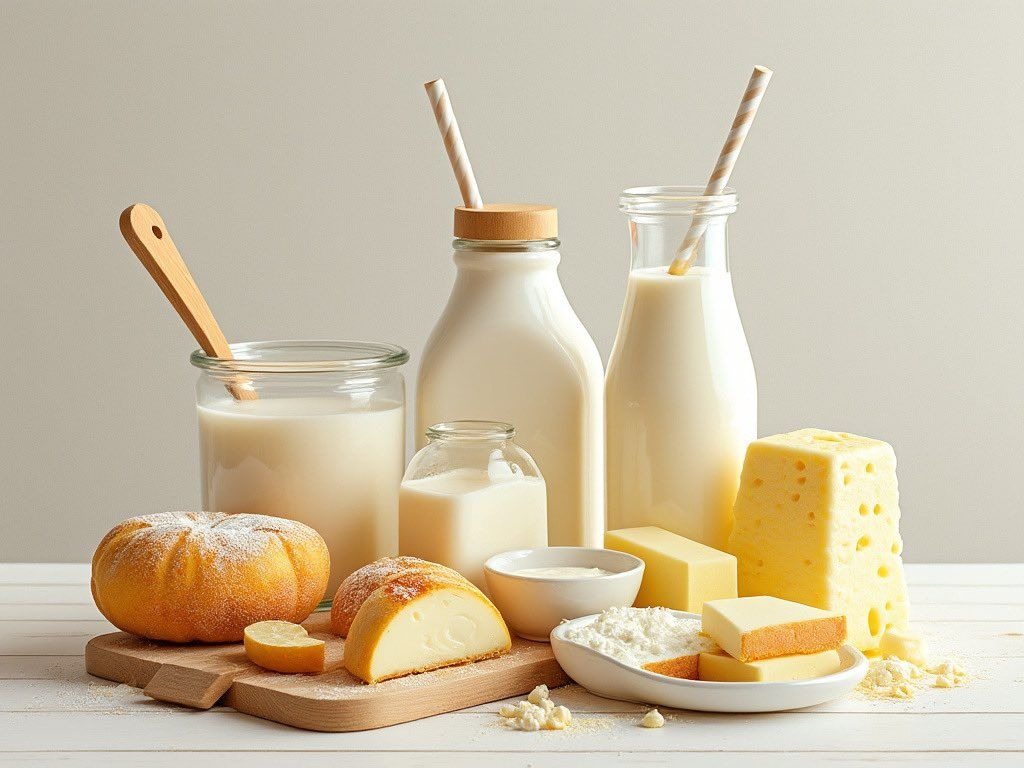
Naturally occurring trans fats found in dairy products such as milk, cheese, butter, and yogurt may not carry the same health risks as industrially produced trans fats, according to a new review of scientific evidence. The findings could help clarify long standing concerns about trans fat consumption and its impact on cardiovascular and metabolic health.
The review analyzed data from 22 scientific studies examining the relationship between naturally occurring dairy trans fats and major health outcomes, including heart disease, stroke, cardiovascular mortality, and Type 2 diabetes. Researchers found no clear evidence linking these naturally occurring fats to an increased risk of any of these conditions.
Trans fats have traditionally been associated with negative health effects, particularly those produced industrially through the partial hydrogenation of vegetable oils. Such industrial trans fats have been shown to raise harmful LDL cholesterol, lower beneficial HDL cholesterol, and increase the risk of cardiovascular disease. As a result, many countries have introduced regulations to limit or eliminate their use in food products.
However, the new findings suggest that naturally occurring trans fats, produced in small amounts by ruminant animals and present in dairy foods, may affect the body differently. Researchers reported that dairy derived trans fats did not significantly worsen cholesterol levels or other major cardiovascular risk markers in the studies reviewed.
The distinction is important because dairy products remain a significant source of essential nutrients, including calcium, protein, vitamin B12, potassium, and phosphorus. Nutrition experts emphasize that evaluating foods based solely on the presence of naturally occurring trans fats may overlook their broader nutritional value.
Cardiovascular disease remains the leading cause of death globally. According to the WHO, an estimated 17.9 million people die each year from cardiovascular diseases, highlighting the importance of evidence-based dietary guidance.
Researchers caution that while the findings are encouraging, moderation remains key. Overall dietary patterns, physical activity, smoking status, and body weight continue to play a far greater role in determining long term heart and metabolic health than the consumption of naturally occurring dairy trans fats alone.
The review underscores the growing recognition that not all trans fats are nutritionally equivalent and that distinguishing between industrial and natural sources may be important when developing future dietary recommendations and public health policies.