
Yes! We Can End TB: Why Awareness, Early Testing, and Community Support Matter
Dr. Ranjana Singh, HOD, Department of Community Medicine, Noida International Institute of Medical Sciences College & Hospital Every year on World TB Day, observed on March 24, people across the globe unite to raise awareness about tuberculosis (TB)

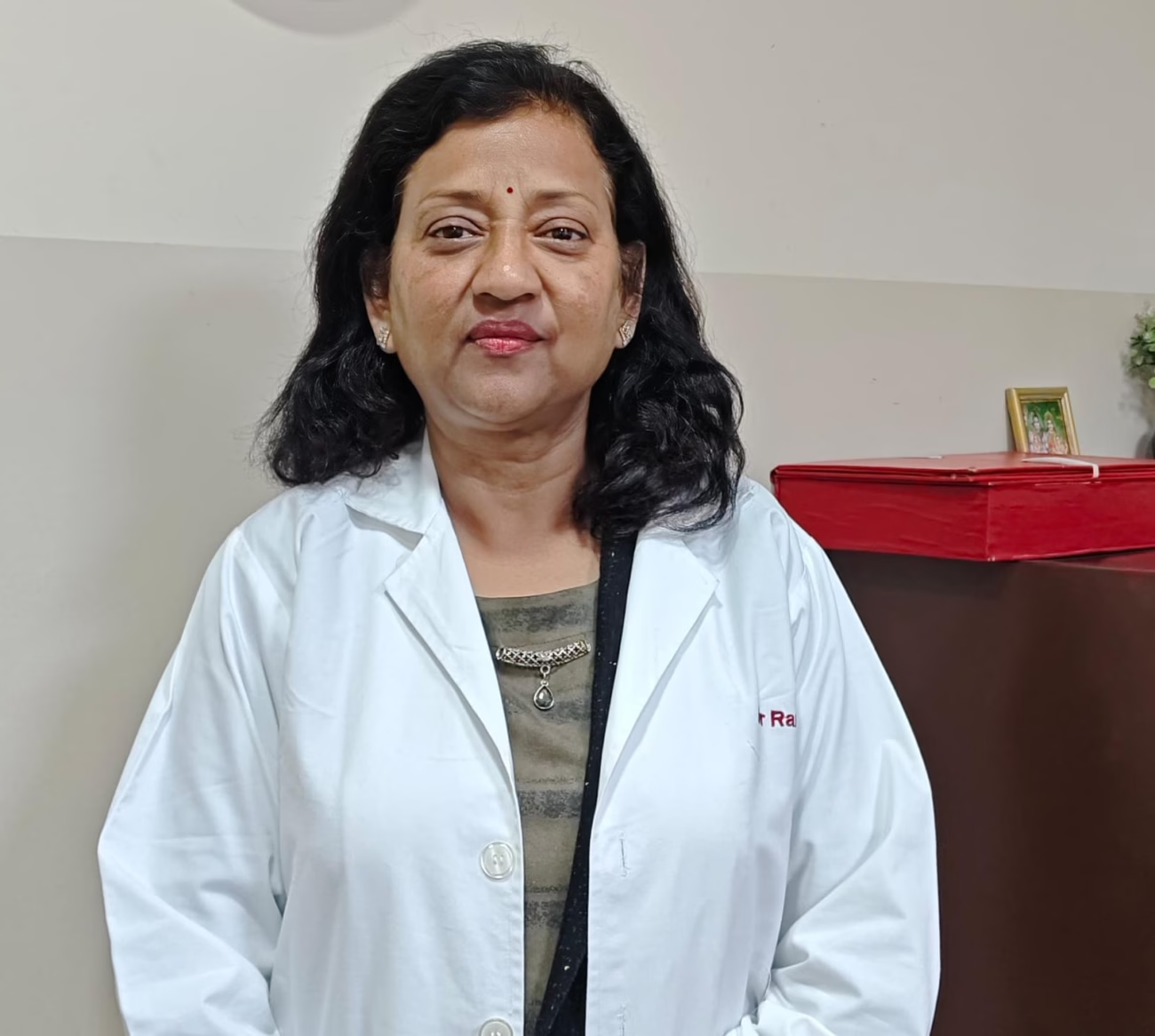
Dr. Ranjana Singh, HOD, Department of Community Medicine, Noida International
Institute of Medical Sciences College & Hospital
Every year on World TB Day, observed on March 24, people across the globe unite to raise
awareness about tuberculosis (TB) and strengthen efforts to eliminate the disease.
The 2026 theme “Yes! We Can End TB! Led by countries, powered by
people" emphasizes that ending TB is not only the responsibility of governments and
healthcare systems but also of communities and individuals. With greater awareness, timely
testing, and strong social support can move the world closer to eliminating this preventable and
curable disease.
Tuberculosis remains a major public health challenge, particularly in developing
countries. Caused by a bacterium that usually affects the lungs, TB spreads through the air
when an infected person coughs, sneezes, or talks. Despite advances in medicine and the
availability of effective treatment, TB continues to affect millions of people every year. Countries
like India carry a significant share of the global TB burden, which makes public awareness and
community involvement essential in controlling its spread.
Understanding the Disease
One of the biggest barriers in the fight against TB is the lack of awareness. Many people ignore
early symptoms or delay seeking medical help because they mistake them for common
respiratory illnesses. The most common symptoms include a persistent cough lasting more than
two weeks, chest pain, fever, night sweats, fatigue, and unexplained weight loss. If left
untreated, TB can become severe and spread to others in the community.
Raising awareness about these symptoms is critical. When people recognize the warning signs
and seek medical help early, the disease can be diagnosed quickly and treated effectively.
Awareness campaigns through schools, media, and community programs can help people
understand that TB is not something to fear or hide, but a disease that can be cured with proper
treatment.
Early Testing: A Lifesaving Step
Early detection is one of the most powerful tools in preventing the spread of TB. When
diagnosed in time, patients can start treatment quickly, reducing complications and preventing
transmission to others. Many countries provide free TB testing and treatment through public
health systems.
In India, the government has launched initiatives under the National TB Elimination Programme
to improve screening, diagnosis, and treatment services. The program aims to eliminate TB as a
public health problem by expanding access to modern diagnostic tools, strengthening
healthcare infrastructure, and supporting patients throughout their treatment journey.
However, these services can only be effective when people come forward for testing. Anyone
experiencing symptoms of TB should visit a healthcare facility and get tested. Early diagnosis
not only saves lives but also protects families and communities from infection.
Completing Treatment Is Crucial
TB treatment typically involves taking a combination of medicines for several months. Many
patients start feeling better within a few weeks, but stopping treatment early can be dangerous.
Incomplete treatment can lead to Drug-Resistant Tuberculosis, a form of the disease that is
much more difficult and expensive to treat.
Completing the full course of medication ensures that the bacteria are completely eliminated
from the body. Healthcare workers play a key role in monitoring treatment, while family
members and community members can encourage and support patients to continue their
medication until they fully recover.
Breaking the Stigma
Another major challenge in TB control is the stigma associated with the disease. Many patients
feel isolated or ashamed, which may prevent them from seeking timely medical help or
completing treatment. This stigma often arises from misconceptions about how TB spreads and
who it affects. Communities must work together to break these myths and support those
affected by TB. Patients need empathy, encouragement, and social support, not discrimination.
When communities openly discuss TB and treat patients with respect, it becomes easier for
people to come forward for testing and treatment.
Communities at the Heart of the Solution
The fight against TB cannot be won by health systems alone. Communities play a vital role in
spreading awareness, identifying symptoms early, and supporting patients through treatment.
Local leaders, teachers, community health workers, and volunteers can help educate people
about TB and encourage preventive practices.
Simple actions such as promoting healthy lifestyles, improving nutrition, ensuring proper
ventilation in homes, and encouraging medical checkups can significantly reduce the risk of TB
transmission.
A Shared Responsibility for a TB-Free Future
Ending tuberculosis requires collective commitment. Governments must continue to invest in
healthcare services, research, and patient support programs. At the same time, individuals must
stay informed, recognize symptoms early, and seek medical help without delay.
The message of World TB Day 2026 is clear and hopeful: Yes, we can end TB. With increased
awareness, early testing, proper treatment, and strong community support, a TB-free future is
within reach. Every informed citizen, every early diagnosis, and every patient who completes
treatment brings the world one step closer to eliminating tuberculosis for good.