
Ultra-Processed Foods May Raise Heart Disease Risk by Up to 67%, Warn Major Cardiology Studies
Ultra processed foods (UPFs) such as packaged snacks, sugary drinks, frozen meals, processed meats, and instant foods may significantly increase the risk of heart disease, stroke, obesity, diabetes, and cardiovascular death, according to new findings

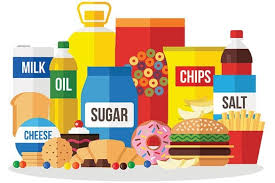
Ultra processed foods (UPFs) such as packaged snacks, sugary drinks, frozen meals, processed meats, and instant foods may significantly increase the risk of heart disease, stroke, obesity, diabetes, and cardiovascular death, according to new findings presented by leading European and American cardiology researchers.
A major clinical consensus statement published in the European Heart Journal by the European Society of Cardiology warned that adults consuming the highest amounts of ultra processed foods face up to a 19% greater risk of heart disease, a 13% higher risk of atrial fibrillation, and as much as a 65% higher risk of cardiovascular death compared to those consuming the least.
The report highlighted that ultra-processed foods are industrially manufactured products often high in salt, sugar, unhealthy fats, preservatives, emulsifiers, and artificial additives. Researchers said these foods may trigger chronic inflammation, disrupt metabolism, alter gut microbiota, and promote overeating.
In a separate U.S. study presented at the American College of Cardiology Annual Scientific Session, researchers analyzed health data from 6,814 adults aged 45–84 years enrolled in the Multi-Ethnic Study of Atherosclerosis (MESA). The findings showed that participants consuming more than 9 servings of ultra processed foods daily had a 67% higher risk of heart attack, stroke, cardiac arrest, or cardiovascular death compared with those consuming around one serving daily.
The study further found that each additional daily serving of ultra-processed food increased cardiovascular risk by more than 5%, even after adjusting for obesity, diabetes, blood pressure, cholesterol levels, calorie intake, and overall diet quality.
Researchers noted that ultra processed food consumption continues to rise globally, with some European countries reporting that over 50% of daily calorie intake now comes from heavily processed foods.
Cardiology experts are now urging healthcare professionals to include discussions about ultra-processed food intake during routine patient consultations and encourage greater consumption of minimally processed foods, fruits, vegetables, whole grains, and home cooked meals.