
Thalassemia Care Today: It’s About Life, Not Just Blood
Dr Intezar Mehdi, Director and HOD, Paediatric Haemato-Oncologist and BMT Specialist, HCG Cancer Hospital, Bengaluru. For many years, thalassemia treatment was only about blood transfusions. While transfusions remain essential and life-saving for patients with severe cases of thalassemia, they

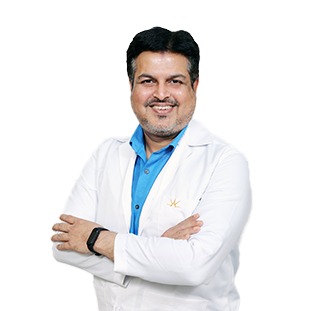
Dr Intezar Mehdi, Director and HOD, Paediatric Haemato-Oncologist and BMT Specialist, HCG Cancer
Hospital, Bengaluru.
For many years, thalassemia treatment was only about blood transfusions. While
transfusions remain essential and life-saving for patients with severe cases of
thalassemia, they are only a part of managing the condition but not the only treatment.
Their primary role is to maintain healthy hemoglobin levels, ensuring that oxygen
reaches every part of the body. However, modern medicine now recognizes that
thalassemia is far more than just a blood disorder.
The condition can affect multiple aspects of health, including the heart, liver, bones,
hormonal balance, mental well-being, growth, and overall quality of life. As advances in
care help more patients live well into adulthood, the approach to treatment has evolved
significantly. The focus today is no longer limited to survival alone, but extends to
preventing long term complications, improving day to day well-being, and enabling
individuals with thalassemia to lead full, independent, and meaningful lives.
What Thalassemia Actually Does
Thalassemia is an inherited condition where the body can’t make normal hemoglobin,
the protein in red blood cells that carries oxygen. Without enough healthy hemoglobin,
patients develop chronic anemia, fatigue, weakness, and slowed growth. In severe
forms like thalassemia major, symptoms show up before age two, meaning treatment is
lifelong. In countries like India, where thousands of children are diagnosed each year,
awareness and early care have become urgent priorities.
Transfusions: Essential, But Only Half the Story
Regular blood transfusions remain the foundation of care. They boost energy, support
normal growth in kids, reduce bone deformities from severe anemia, and improve
survival. With consistent treatment, many children now go to school and play like their
peers, things that were once out of reach.
But there’s a trade off. Every transfusion adds iron to the body, and humans have no
natural way to get rid of it. Over years, that iron builds up in vital organs and causes
silent damage. Without management, it can lead to heart failure, liver cirrhosis,
diabetes, infertility, delayed puberty, osteoporosis, and hormone imbalances. That’s
why iron chelation therapy is just as critical as the transfusion itself.
Chelation: The Lifelong Balancing Act
Chelation drugs bind to excess iron and flush it out through urine or stool. In the past,
this meant hours long daily injections via a pump, exhausting for children and their
families. Today, oral chelation medicine has made it easier, improving compliance. Still,
it’s a daily commitment for life. Patients often feel fine while iron quietly damages
organs, if medication is skipped. Doctors call it the “silent threat” of thalassemia care.
Beyond Blood: The Full-Spectrum Care Approach
Modern thalassemia management looks at the whole person, not just the hemoglobin
numbers.
1. Regular monitoring: Routine blood tests and advanced MRI scans now measure
iron buildup in the heart and liver before permanent damage sets in. Hormone checks
are also routine, since complications can affect growth, puberty, fertility, and
metabolism. Kids need close tracking of height, weight, and bone development too.
2. Bone health: Chronic anemia plus iron overload weakens bones, often leading to
osteoporosis at a young age. Calcium, vitamin D, sunlight, and weight bearing exercise
help keep bones strong. Some patients may also need hormone therapy for growth or
bone protection.
3. Nutrition as medicine: A balanced diet rich in protein, vitamins, antioxidants, and
folic acid supports immunity and red blood cell production. Iron supplements are usually
a no go unless a doctor prescribes them. Fresh fruits, vegetables, whole grains, dairy,
and hydration help patients handle treatment fatigue better.
4. Mental and emotional health: The hidden burden is real. Frequent hospital visits,
lifelong meds, financial pressure, and social stigma weigh heavily on patients and
families. children may struggle with school and confidence. Teens worry about body
image, relationships, and careers. Adults face questions about marriage and fertility.
Counseling, peer support groups, and family involvement are now seen as essential,
not optional.
5. Infection prevention: Repeated transfusions mean blood safety is non negotiable.
Vaccines for hepatitis B, strict hygiene, and screened blood supplies cut down risks.
Specialized thalassemia centers also help coordinate care so nothing falls through the
cracks.
The Future: From Management to Cure
Bone marrow or stem cell transplant is still the only proven cure, especially when done
early with a matching donor. A successful transplant can end the need for transfusions
entirely. Gene therapy is the next frontier, scientists are working on correcting the faulty
gene itself. It’s still expensive and not widely available, but it offers real hope for a long
term solution.
Prevention: The Most Powerful Tool
The best way to reduce thalassemia’s burden is stopping it before it starts. Carrier
screening before marriage or pregnancy can identify if both parents carry the gene. If
they do, there’s a 25% chance their child will have severe thalassemia. Genetic
counseling helps families make informed choices, and prenatal testing allows early
diagnosis. School awareness programs and community screening are making
prevention more accessible across high burden regions.
A Team Effort for a Full Life
Experts now push for a multidisciplinary approach, hematologists, cardiologists,
endocrinologists, nutritionists, psychologists, and physiotherapists working together.
The goal isn’t just survival anymore. It’s education, careers, relationships, and
independence with dignity.
Thalassemia care has come a long way. With timely diagnosis, safe transfusions, strict
iron management, good nutrition, emotional support, and access to new therapies,
patients are living longer and healthier than ever before. Today, managing thalassemia
means thinking beyond the blood bag, toward complete, lifelong care that protects both
body and mind.