
ICMR Study Finds Indians are Overdependent on Cereals, Highlights Poor Dietary Diversity Across States
A recent study by the Indian Council of Medical Research (ICMR) has revealed that a large section of India’s population continues to consume cereals far beyond recommended levels while neglecting other essential food groups such

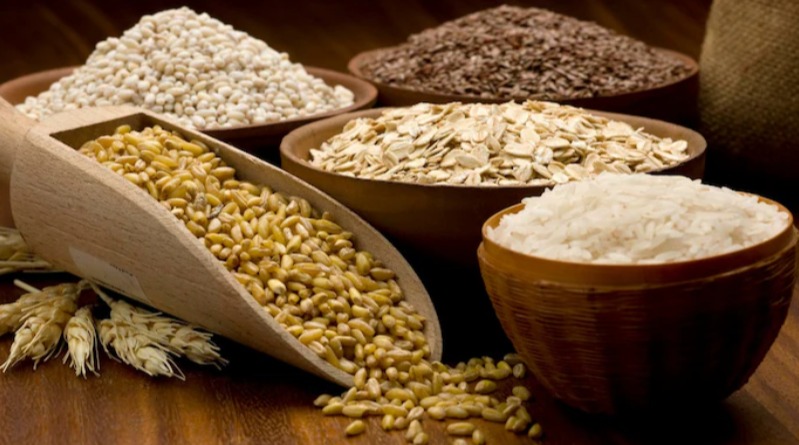
A recent study by the Indian Council of Medical Research (ICMR) has revealed that a large section of India’s population continues to consume cereals far beyond recommended levels while neglecting other essential food groups such as fruits, vegetables, pulses, proteins, and dairy products.
According to the study, cereal consumption in most Indian states exceeds the recommended monthly intake of 7.5 kilograms per person. The findings showed that only Kerala and urban areas of Punjab and Tamil Nadu reported cereal consumption levels below the prescribed limit.
Among Union Territories, individuals living in Delhi, Puducherry, Chandigarh, and Lakshadweep showed comparatively lower cereal intake than the national recommendation.
The study has raised concerns about dietary imbalance and nutritional deficiencies, especially as excessive dependence on cereals often results in lower intake of proteins, micronutrients, vitamins, and healthy fats. Public health experts say poor dietary diversity is becoming a growing concern despite increasing awareness around nutrition and healthy lifestyles.
India continues to face a dual burden of malnutrition and lifestyle related diseases. According to health estimates, the country has seen a steady rise in obesity, diabetes, cardiovascular disease, and metabolic disorders, many of which are linked to unhealthy eating habits and nutritional imbalance.
Researchers noted that while cereals remain a major part of Indian diets due to affordability and food security programs, balanced nutrition requires greater inclusion of pulses, milk, eggs, fruits, vegetables, and protein rich foods.
Healthcare experts say the findings highlight the urgent need for stronger public nutrition awareness campaigns and improved access to diversified food options, particularly in low-income and rural populations. The report also reinforces the importance of adopting balanced diets to improve long term health outcomes and reduce the burden of chronic diseases in India.